

Welcome to Theater News, a regular column by longtime reviewer Anita W. Harris. Look for it most Thursdays. Or sign up for our Eat. See. Do. newsletter to get it in your inbox.
Imagine leaving your spouse with a slam of the door but then coming back knocking 15 years later with the divorce papers.
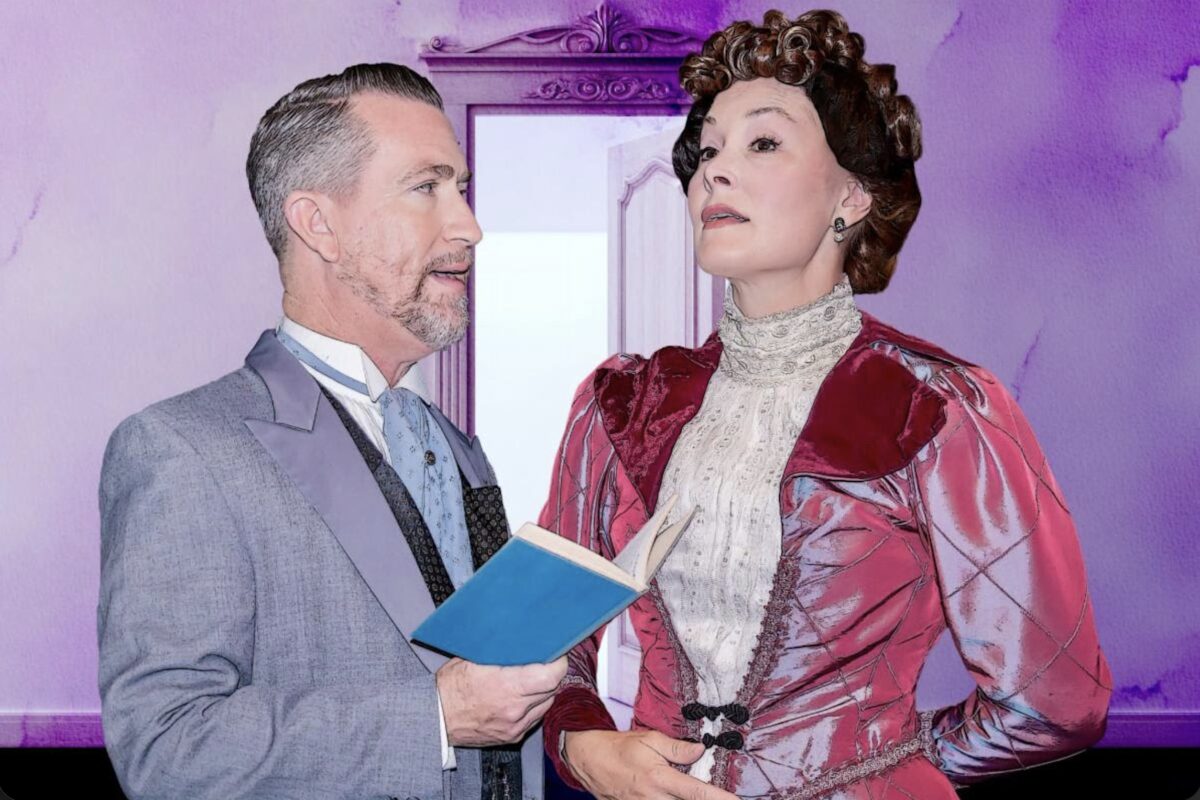
That’s the premise of Lucas Hnath’s play “A Doll’s House, Part 2,” which picks up from the end of Henrik Ibsen’s 1879 “A Doll’s House” in portraying what happens to Nora (and husband Torvald) after she suddenly leaves one day.
Ibsen’s play — beautifully enacted last year at Long Beach Shakespeare Company — was considered sensational in its time for portraying a wife abandoning her husband and three children for reasons of her own fulfillment. And it isn’t for another man.
She simply realizes that she lives like a child in the “doll’s house” of her husband’s home, and before that, her father’s, and must leave to realize who she is as a person in her own right.
And how does that work out for her?
That’s what playwright Hnath explores in his 2017 Tony Award-nominated “A Doll’s House, Part 2,” opening this weekend at Long Beach Playhouse’s upstairs Studio Theatre.
“Nora isn’t returning with hopes of reconciliation,” says Sean Gray, the Playhouse’s producing artistic director.
Instead, after some economic hardship, Nora has become a successful feminist novelist. But she’s in a legal bind after signing contracts in her own name as an unmarried woman even though still married to Torvald.
“In the play, we learn that Nora had to erase the voices of Torvald and society that she heard in her head,” the theater says. “After two years of silence, she found her voice and began to advocate for women to be more than dolls.”
She now needs Torvald to sign divorce papers due to pressure from a judge who doesn’t like the effect her books have on his wife and is blackmailing her about how she pretended to be legally single.
“The playwright finds the drama, the pathos, and the humor in the situation,” says Playhouse executive director Madison Mooney. “With just four people — Torvald, Nora, their former nanny and grown daughter — we hear from all sides on the question of marriage, family and women’s rights on the cusp of the 20th century.”
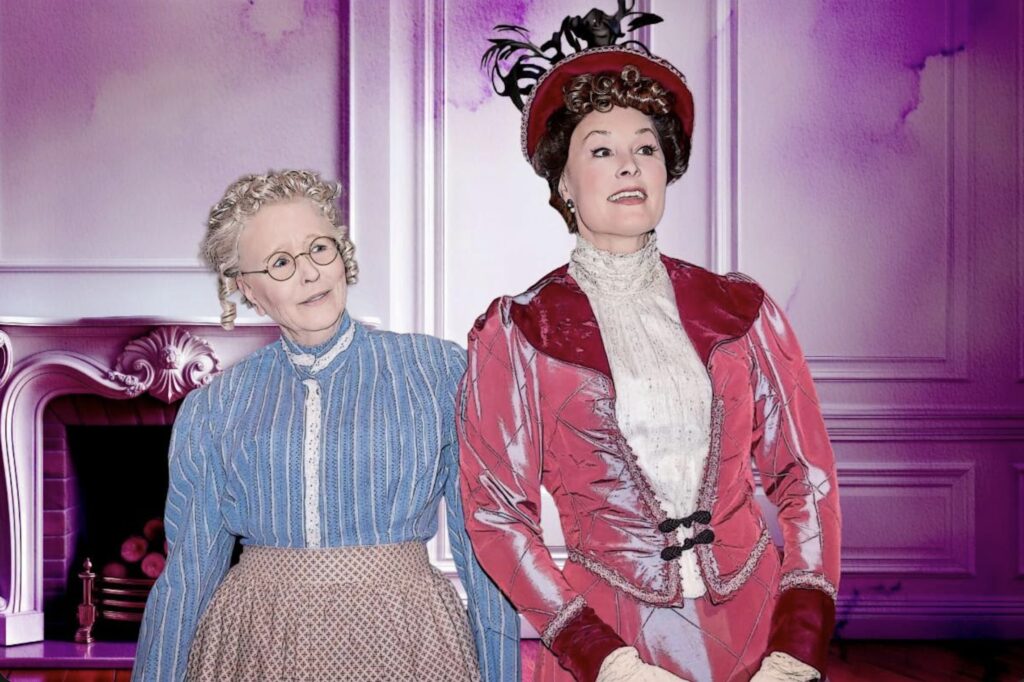
Though things are different now for women here than in 1894 Denmark, where the play is set, Nora’s self-exploration — her need to find herself for herself, to discover who she is — remains as relevant today as ever.
While Ibsen’s “A Doll’s House” reveals how living in society involves compromise, Hnath’s play explores the cost — and benefit — to Nora and her family of her not compromising.
“It’s really hard to hear your own voice,” Nora says in the play, “and every lie you tell makes your voice harder to hear, and a lot of what we do is lying. Especially when what we want so badly from other people is for them to love us.”
“A Doll’s House, Part 2” runs July 18 to Aug. 15 at the Long Beach Playhouse Studio Theatre, 5021 E. Anaheim St., with shows Fridays and Saturdays at 8 p.m. and Sundays at 2 p.m., plus two lower-priced preview performances on Thursday, July 16 and Friday, July 17. For tickets, call the box office at 562-494-1014 or visit LBPlayhouse.org.