


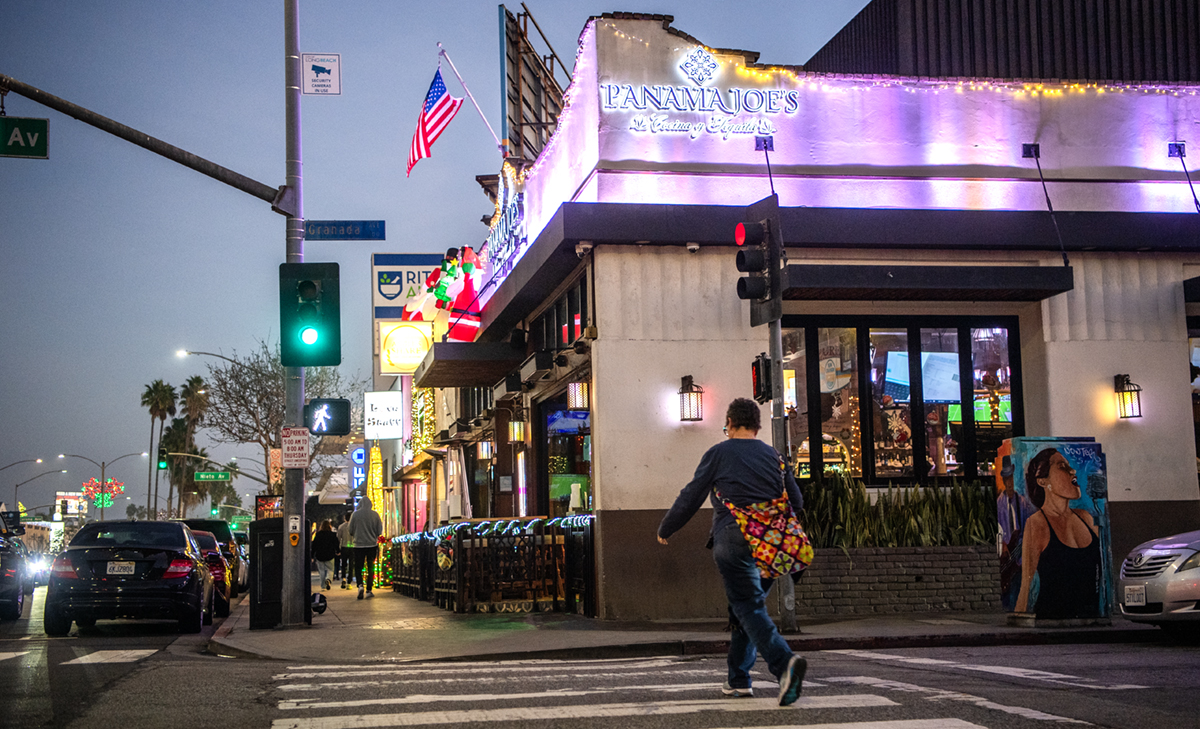
Long Beach police nearly stopped enforcing public drinking laws along Second Street in the last few years, exacerbating concerns from locals who say the formerly quaint Belmont Shore neighborhood has developed an atmosphere of lawlessness.
Enforcement has plummeted since the pandemic, according to citation data the Long Beach Post obtained through a public records request.
After issuing 26 tickets for public drinking in 2019, Long Beach police have written just 14 on and around Second Street over the last four years combined.
Last year, police issued just two tickets for public drinking in that same area, a 92.3% decrease from 2019. The total increased to six so far this year, but the vast majority came on just one day: July Fourth.
Drinking on the street is a regular occurrence, according to resident Brian Cochrane. A lack of enforcement has given people “free rein” to “keep consuming without any checks or balances,” he said.
Cochrane, who lives in Belmont Shore, said he recently encountered a group drinking out of open containers and playing music behind a restaurant. On another street, his path was blocked by a group of people staggering in the street.
Another resident, Estela Tejidor, said she has lived near one of the bars on Second Street for the past 35 years, and only recently have they become an issue.
Over the past few years, she said, she witnessed people stagger down her street to pee on houses, get into fights with other drunk visitors and yell obscenities at her neighbors.
In recent months, residents have voiced their concerns about lawless behavior escalating into more dangerous problems. A flashpoint came in October, when a 32-year-old man was shot to death after a disagreement at a local bar.
At a City Council meeting where residents demanded a crackdown on disruptive behavior, the area’s councilmember, Kristina Duggan, quizzed police on why they weren’t more aggressively citing people for obvious crimes like public drinking.
When she scouted the area late on a Friday night, she said, she saw “at least 20” people with open alcohol containers.
Police Chief Wally Hebeish said he would look into why his officers didn’t ticket people for public drinking that night but added that officers cite at their own discretion.
When asked by the Long Beach Post, the LBPD said it was “unable to speculate” as to why the number of public drinking citations dipped over the past five years compared to 2019.
It is up to each officer to “assess each situation by enforcing public drinking laws and conducting education, as needed,” the department wrote in an email.
What’s the solution?
Some neighbors, like Michele Simon, believe the solution lies in limiting the number of alcohol licenses given out in Belmont Shore.
An “over-concentration” of alcohol sellers creates an atmosphere that allows issues like public drinking and violence to exist, Simon said.
“I think the bars need to take some responsibility for the whole environment,” she said.
After 32-year-old Jeremy Spears was shot to death in October — the area’s third killing on or near Second Street in the past two years — local bars volunteer to close each night at midnight, instead of 2 a.m., but only for 30 days. It was offered as a substitute to the city pursuing a mandatory curfew, a process that officials said could have taken months to implement.
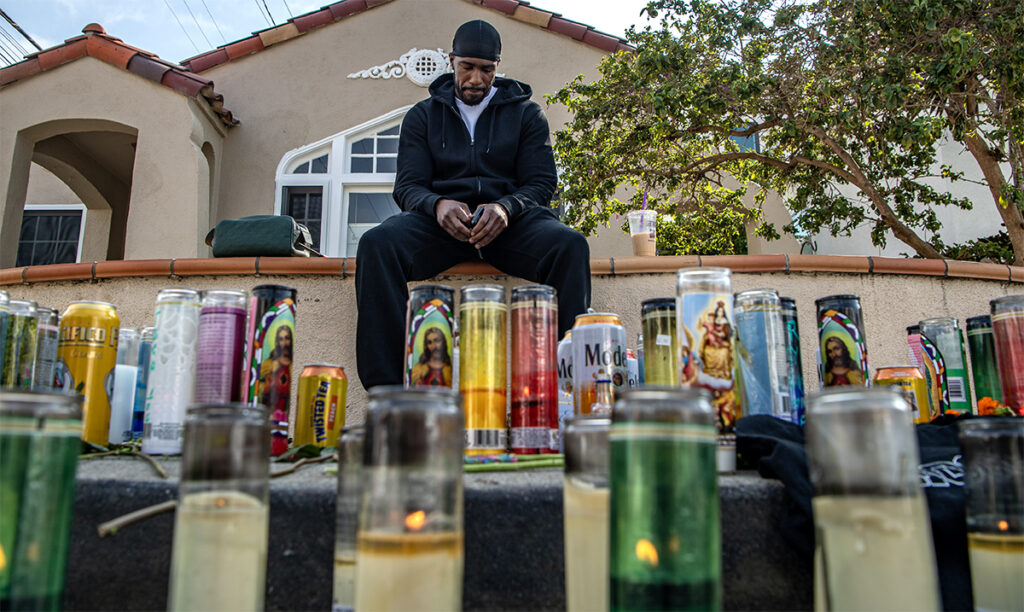
On Dec. 6, the voluntary curfew ended, and some of the bars were not shy about welcoming back their 2 a.m. closing.
“We’re partying past midnight again — see you late night!” read part of a Panama Joe’s flyer posted on social media.
While Simon described the curfew as a temporary “sigh of relief,” Matt Peterson, co-owner of Legends Restaurant & Sports Bar, said it had a “negative impact on a lot of businesses.”
For Peterson, the answer is simple: There needs to be a greater police presence in the area, and city ordinances need to be more strictly enforced.
“I think we’ve learned that closing early is not where the impact is,” Peterson said. “That’s not going to change what happens on the street, on any street in Long Beach, at night or during the day.”
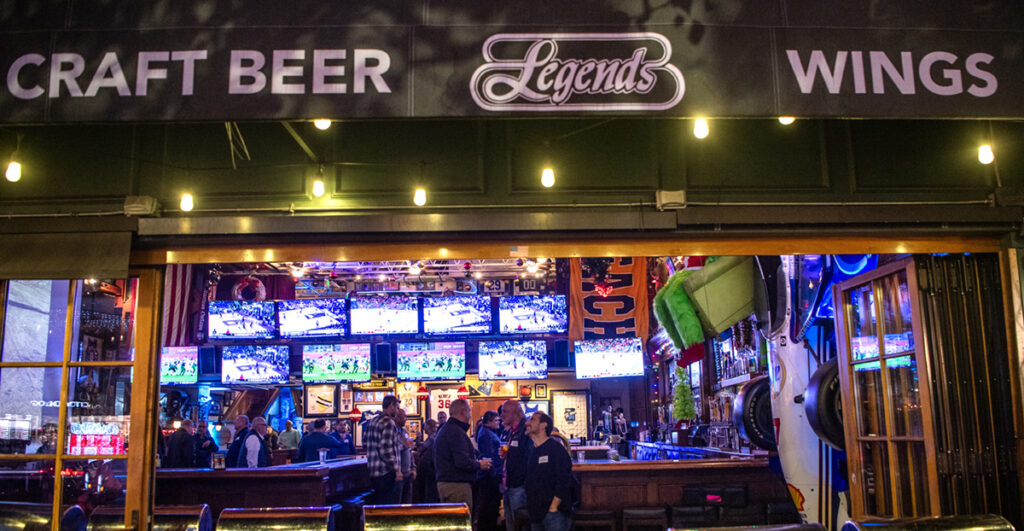
In November, the City Council decided to look at increasing DUI patrols, adding more police officers during high-traffic hours and increasing enforcement against public drinking and unpermitted street vendors.
A report on the topic is due back in March with ideas for how the city can better regulate alcohol-related establishments and smoke shops citywide.
Has it worked?
The city has tried before to tamp down rowdiness in the Shore. In June, after a trio of shootings, roughly 75 residents packed a room at the Alamitos Bay Yacht Club to hear what would be done.
At the meeting, Councilmember Duggan said she met with police and local bar owners to discuss ways to prevent confrontations between groups.
It was not enough to prevent Spears’ death in October, an event that still weighs heavily on his family and the neighborhood.
“He came from another part of Long Beach to our neighborhood, and we failed him,” Simon said. “If we had done something last year, if we had acted back then, maybe a 9-year-old boy wouldn’t be without a father.”