

The CEO of a local affordable housing charity was carrying $15,000 in cash and parts for his broken-down yacht when authorities arrested him at the airport in August, federal prosecutors say in new court filings.
They allege Rodney Rosenstein was trying to flee across the border and maintain his luxurious life after stealing tens of millions of dollars in a lucrative fraud scheme.
Federal prosecutors made these new accusations in a series of bail motions filed recently in Tucson, where Rosenstein is charged with conspiracy to commit bank fraud and conspiracy to make false statements to banks.
Rosenstein, 58, has pleaded not guilty to the charges, and his attorney argued he wasn’t trying to flee, just taking one of his frequent trips to Mexico.
Federal authorities, however, sought to convince a judge that Rosenstein should be locked up while awaiting trial or risk him making a permanent escape. To make their case, they gave a glimpse of the extravagant life they say Rosenstein led while running a charity that claimed to lift people out of poverty through low-cost housing in Long Beach and Arizona.
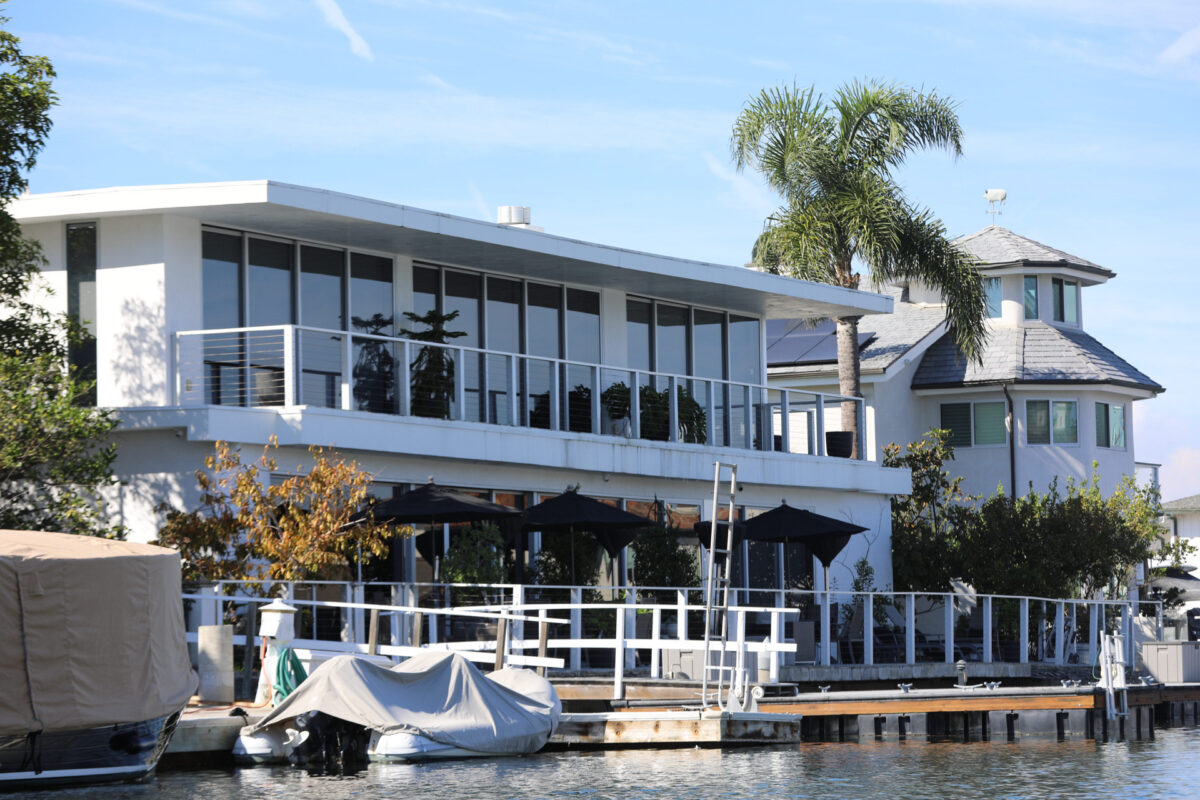
Just five days before his arrest, they say, Rosenstein was staying at his multimillion-dollar villa on a private peninsula in the resort town of Punta Mita, Mexico. According to prosecutors, the four-bedroom property with an adjoining casita flanks a golf course and overlooks the Pacific Ocean.
Nearby, Rosenstein allegedly kept his 53-foot yacht and a mistress who managed a call center he owned in Mexico. Another yacht, which prosecutors say Rosenstein bought in 2020 for $500,000, was moored somewhere in Colombia, awaiting repairs.
From his villa, Rosenstein worked as president and CEO of his charity, Helpful Housing, which owns about three dozen apartment complexes in Long Beach and Arizona. The buildings cater to people trying to get back on their feet. Many are formerly homeless, with their rent paid by government vouchers or nonprofit service organizations. When asked by pretrial officers, Rosenstein would not provide “even an estimate of income those properties generated.”
Helpful Housing says its mission is to provide the “highest level of service and quality housing” for people escaping poverty, but several Long Beach tenants dispute that. Some former residents have sued Rosenstein, Helpful Housing or its affiliated companies, alleging cramped and dirty conditions with roaches and rats.
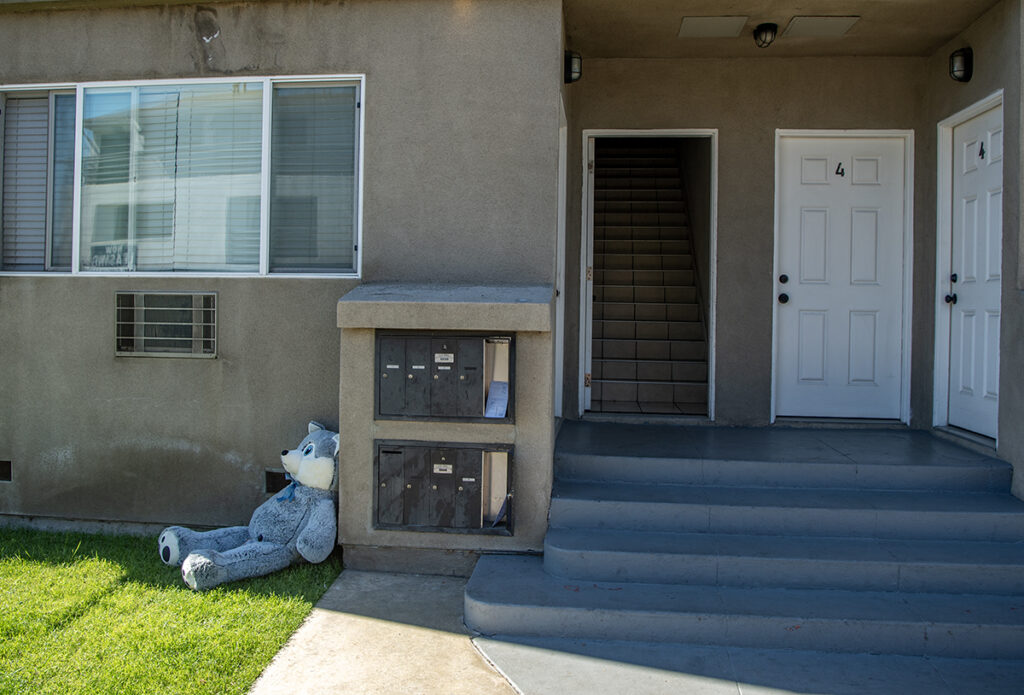
What’s more, the federal prosecutors in Arizona allege Rosenstein and Helpful Housing stole $2.9 million in COVID relief money and $35 million in bank loans by lying about payroll expenses, creating W-2s for people who did not exist or never worked for him, and falsifying how full his buildings were in Tucson. In one instance, they said, conspirators “staged” a condemned building to appear fully occupied during bank inspections.
And that federal fraud case may be just the beginning. Rosenstein and his companies also face dozens of civil lawsuits alleging he failed to repay millions in federal loans the city of Long Beach gave him to renovate apartment complexes for low-income renters.
In other lawsuits related to the Long Beach properties, former workers and tenants allege his companies regularly cheated them out of wages, rent and security deposits.
Whistleblowers interviewed by an attorney in one wage theft case said that Helpful Housing falsified paperwork to overcharge nonprofits and government agencies paying tenants’ rents. Kimberly Lind, the attorney who handled that case, said Rosenstein ran this scheme under Long Beach’s nose for years, despite loan contracts that authorized the city to perform annual audits and inspections at Rosenstein’s properties.
It’s unclear if Long Beach conducted that oversight. They declined to provide records of any inspections or audits. (A representative for the city attorney’s office previously said the Arizona indictment “raises new concerns” about Helpful Housing’s conduct in Long Beach but did not respond to further questions.)
Rosenstein and his attorneys have not responded or declined to comment when contacted by the Long Beach Post. To this day, his organization still collects public money meant to help people avoid homelessness.
The Long Beach Housing Authority is using federal housing vouchers to pay rent for 14 tenants at properties managed by Helpful Housing and its affiliated company Ocean Structure. That amounts to $157,811 so far this year. Los Angeles’ authority paid rent for 19 people at 12 properties for a total of $803,067 between 2022 and 2026, including $151,134 this year.
Federal prosecutors have not said publicly what they think Rosenstein did with all the money Helpful Housing took in, but the fight over his bail offers a glimpse at the wealth he amassed while his charity raked in government funding meant to help the most in need.
Prosecutors said Rosenstein traveled frequently to Mexico, living in Punta Mita for months at a time while his wife stayed in their seaside Huntington Beach home worth up to $5 million and their son started at a new school with tuition running north of $58,000 a year.
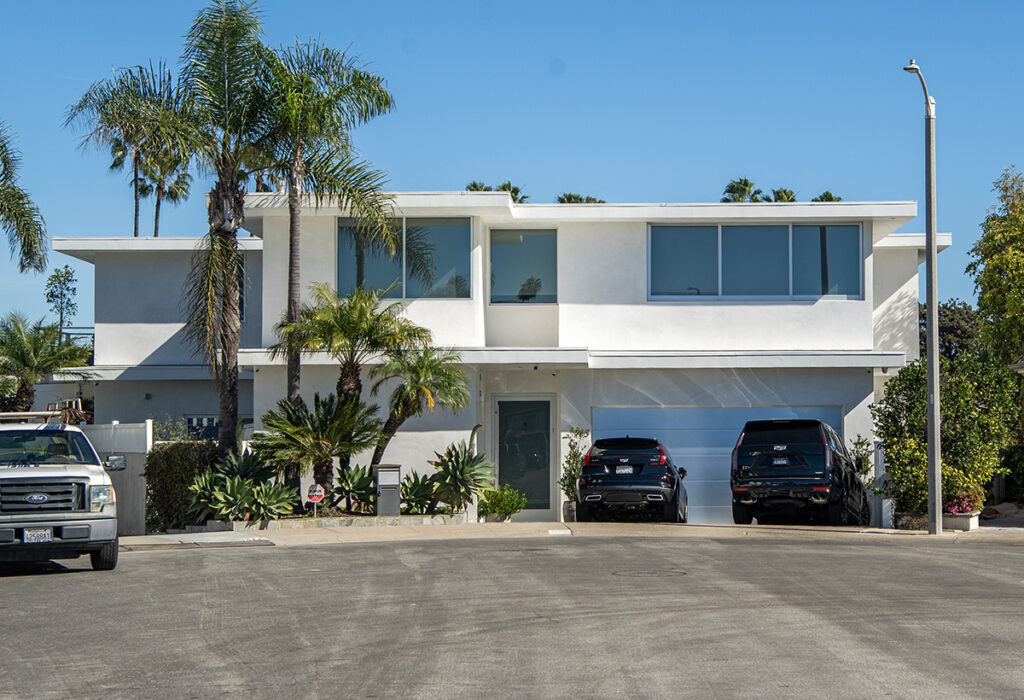
They said bank accounts in his wife’s name held about $500,000, while Rosenstein gave shifting answers about his own assets before reporting $350,000 in the bank. Prosecutors said they later found Rosenstein recently sold a California property for $900,000, which he placed in an investment account.
Many of his properties — including the Punta Mita villa, one yacht and an undeveloped lot in Mexico worth $350,000 — are held through his many corporations, prosecutors say, and were previously hidden from pretrial officers in a pattern they say demonstrates “he is a fraudster, not truthful, and cannot be trusted.”
They argued for no bail, saying Rosenstein intended to abscond to Mexico to keep enjoying his wealth. Before his arrest, they said, Rosenstein asked for speedy work on his broken-down yacht in Colombia, according to an unnamed source cooperating with federal investigators. Rosenstein wanted to get to Panama, the source reportedly said, to “lay low for a while” because of “some difficulty in the United States.”
He never made it. When Rosenstein briefly returned stateside in October, authorities arrested him. Prosecutors said he was bound for Mexico again on a one-way flight, carrying the $15,000 in cash, boat parts and documents tied to properties named in his federal indictment.
Prosecutors suspect he’d been tipped off about their investigation when an online document service accidentally emailed a grand jury subpoena to an unindicted alleged co-conspirator, with Rosenstein’s own email address listed on it.
Jason Lamm, Rosenstein’s attorney, argued in court papers that Rosenstein was visiting relatives in Mexico and the timing of his departure was “fortuitous,” explaining he often books last-minute trips to Puerto Vallarta to visit his wife’s family. Rosenstein has no criminal history, he argued, and just because he has the money to flee, it doesn’t mean he will.
The judge ultimately allowed Rosenstein to be released on a $6 million bond, secured by his two yachts and two Long Beach rental properties. He also surrendered his U.S. passport, agreed not to travel outside California or Arizona, and must let the government track his location.
With Rosenstein now free, Lamm has asked the court to delay his trial for a year or more. He said he needs time to review reams of evidence investigators gathered in order to defend Rosenstein against the charges that could land him in federal prison for up to 8 years.