

Learn more about what El Niño means for Long Beach and how you can be prepared at LBPost.com/elnino. Support useful, community-centered reporting like this with a donation.
Defrost the turkey, par-bake the pie crust and hold back the ocean from flooding your home. This year’s Thanksgiving prep list is higher stakes than usual for many people living on Long Beach’s shoreline.
Exceptionally high king tides are expected through most of the holiday week, with the worst chance of coastal flooding on Wednesday and Thursday, according to forecasters.
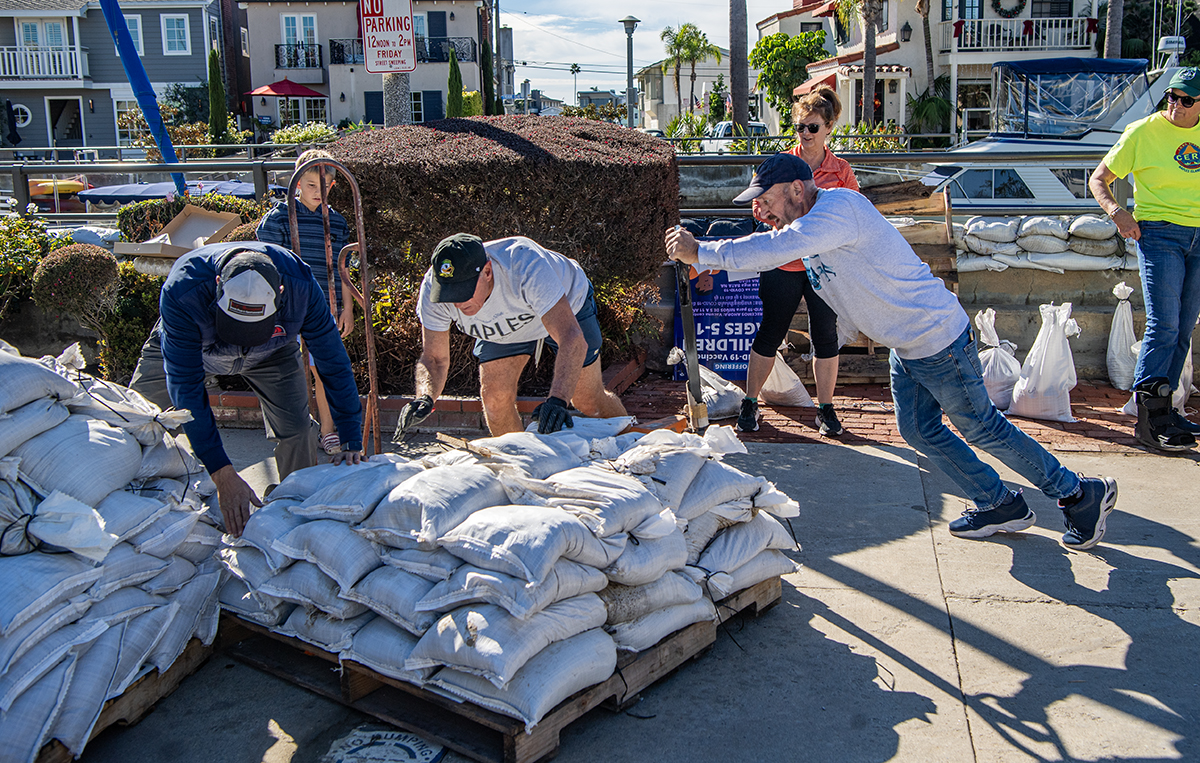
The National Weather Service identified Long Beach’s Naples Island as particularly vulnerable to flooding. On Saturday, several dozen volunteers joined Naples residents to stack sandbags along the island’s perimeter, hoping to stave off the looming tides through Thanksgiving and into the new year.
Michelle Shea, who lives on the island, demonstrated optimal sandbag arrangements to minimize leakage, and volunteers dispersed to reinforce the seawalls that protect them from normal tides.
These tides are anything but. On Wednesday and Thanksgiving morning, water levels could peak above 8 feet. An El Niño-charged Kelvin wave and warm waters are already lifting ocean levels, and the king tide could add to the flood risk. Some residents described an all-hands-on-deck situation and expressed frustration that large sections of the seawall, made of concrete and rebar, had been allowed to fall into disrepair.
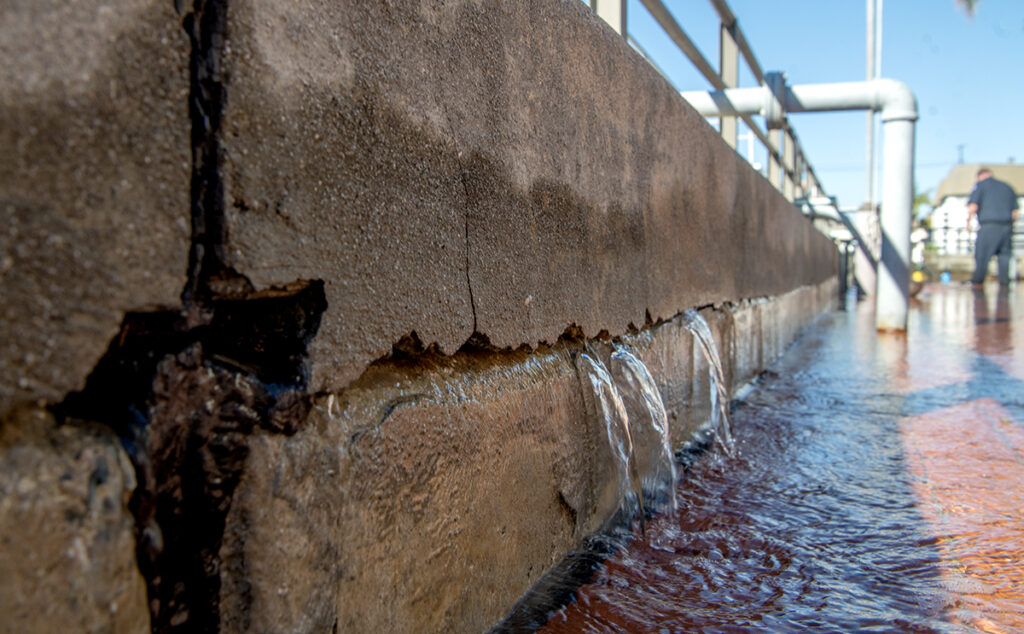
Residents got a preview of the swollen tides in October, when ocean water poured through cracks, flooding onto walkways. Linda Sopp, who has lived in her home on the island for 30 years, said she saw “little waterfalls squirting out” of seawall crannies.
Though Thanksgiving high tides are residents’ immediate priority, even higher tides expected over Christmas prompted the Naples Improvement Association to cancel the neighborhood’s annual boat parade and decorating contest, which typically draws huge crowds.
Instead, neighbors are focusing on stacking sandbags and rigging their docks to make sure they can rise with the water without smashing into pipes or landings.
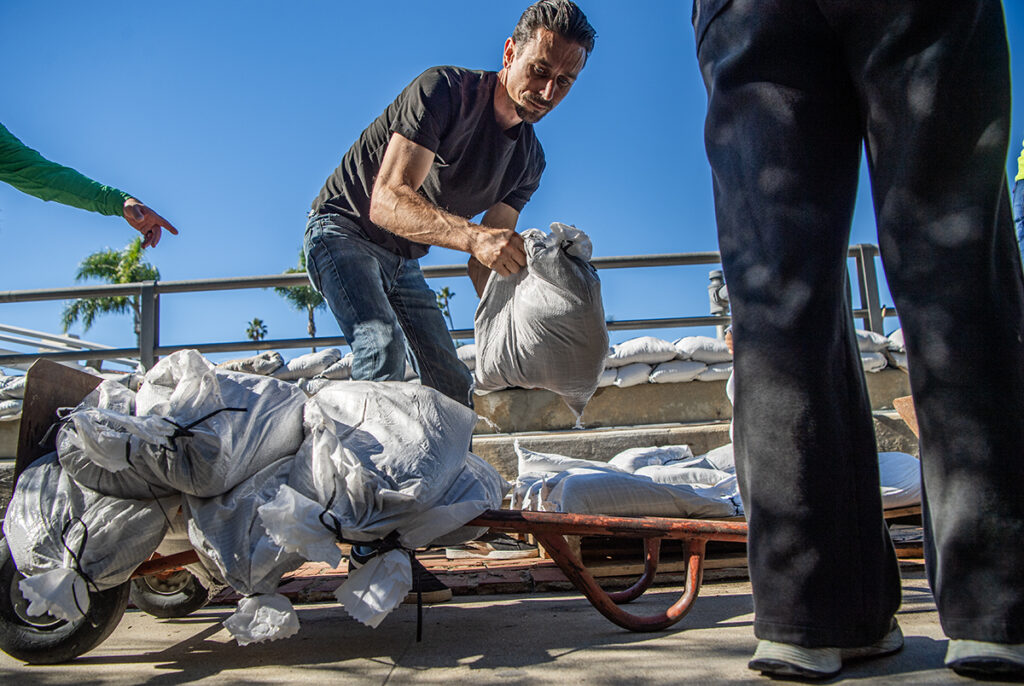
The city distributed 13,000 sandbags to Naples alone and helped seal many seawall gaps identified by residents, City Manager Tom Modica said Friday. Pumps are at the ready if flooding does occur, he said.
Charles Frisco, who lives on the island, said the city’s action wasn’t enough. “We just have to take matters into our own hands,” he said as he hardened his property for the tides, adding that Saturday’s neighborhood effort was fueled by coffee, doughnuts and cannoli.
Naples resident Julia Gough said this scramble might have been prevented with better planning and more frequent repairs. She pointed to a 2024 survey the city commissioned, which recommended a full replacement of the island’s seawalls. Though the walls were stable during ordinary conditions, the report said, they were vulnerable in an earthquake. In recent years, the city has completed two phases of a six-phase seawall repair plan (which will cost an estimated $125 million to finish). It has also solicited bids for structural anchors to stabilize the wall.
The sections still awaiting repair were built in the 1930s, and the city added 18-inch caps in 1967 after the ground sank and water began spilling over the wall. Funding for these repairs, which has historically come from oil revenue, has waned.
Other low-lying coastal areas in the city — such as Bayshore Beach and Marine Stadium — are also susceptible to flooding, Modica said. Though the city has created a climate action plan and is adapting “storm after storm,” sea level rise has significantly outpaced what the city had prepared for, he said.
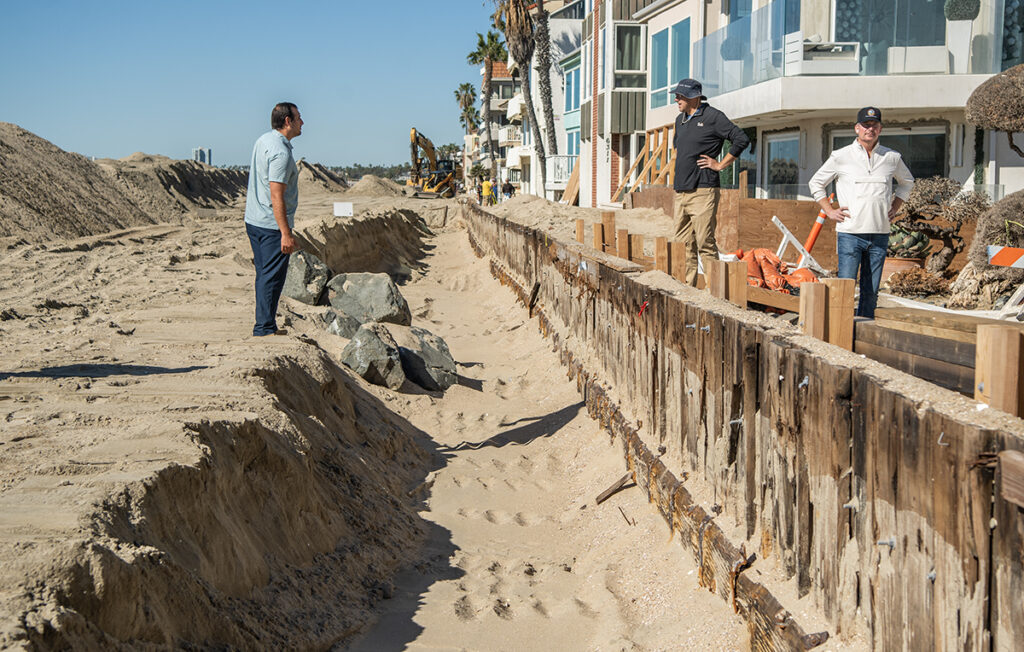
After a series of major storms thrashed the Long Beach Peninsula, the city rebuilt the beach with more than 600,000 cubic yards of sand, restored much of the bulkhead and boardwalk and reinforced the sand berms. City officials anticipate adding another 500,000 cubic yards of sand with funding from the Port of Long Beach, beginning in December or January.
Mayor Rex Richardson said it is unreasonable “to expect infrastructure that was built decades ago under a different understanding of our coastal climate and sea levels to hold up to unprecedented storm levels.”
Richardson added that if Naples residents want to see higher seawalls at a faster pace, “then they have to be a part of investing in that infrastructure as well.”
Sopp and her husband, with the help of volunteers, have already sealed seawall fissures, stacked sandbags and added plywood to the fence that surrounds their property, she said. It’s all in service of preventing the “worst-case scenario,” where high tides could crest over or leak through the seawall, reaching her front door, “which makes for a joyous Christmas,” she joked.