

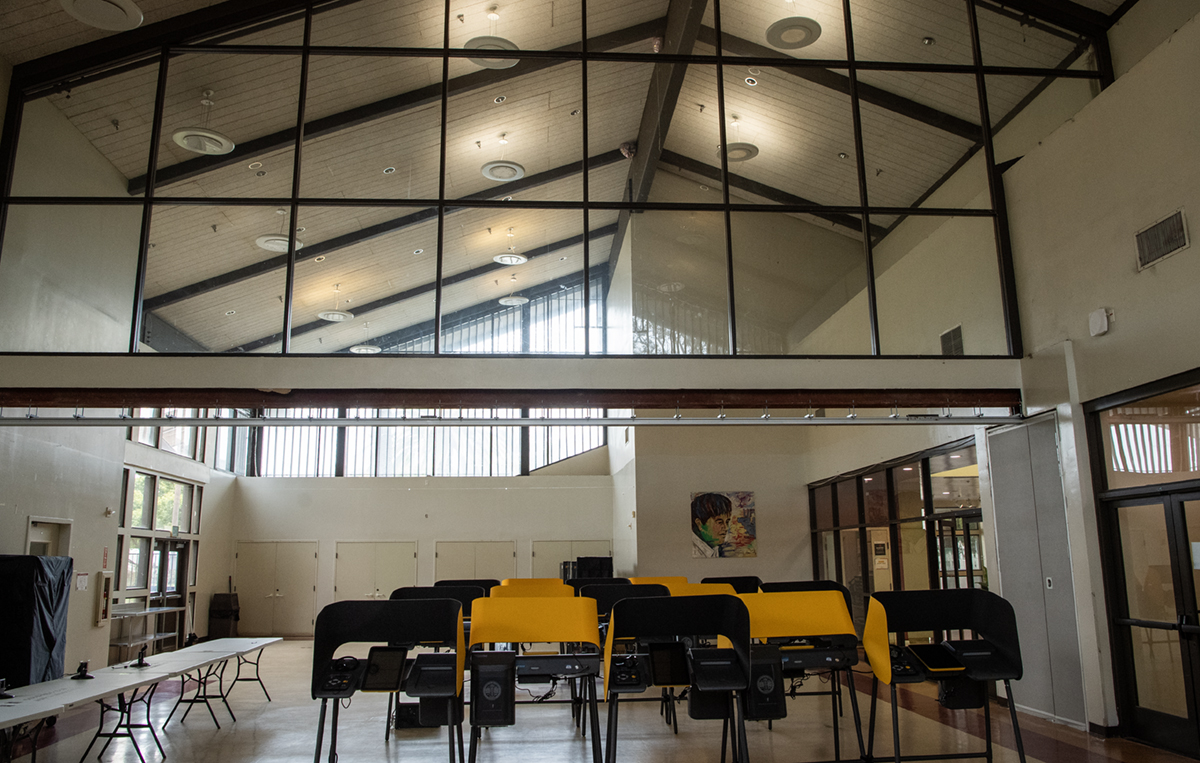
After years of planning, a city-sponsored Latino Cultural Center is set to open with a new roof, newer bathrooms, a fresh coat of paint and a budget to operate in an existing community center in downtown Long Beach.
The Long Beach City Council last month signed an agreement to officially designate the space inside the Jenny Oropeza Community Center at 401 Golden Ave., with local nonprofit Centro CHA tapped to run it for three years.
As part of the agreement, the city set aside $4.5 million in public funds for projects that include replacing the roof, renovating the restrooms and placing new center signage around the property. Staff with Centro Cha say they’re still waiting on the city’s Public Works Department to say when renovations will start.
So far, $1.82 million is appropriated for fixes, according to a city report. Public Works will sock away $2.68 million of Measure A sales tax funds in next year’s budget to pay for ongoing operations.
Jocelin Padilla, a spokesperson with public works, said the department is orienting the architect who will oversee site improvements.
“Once they are onboarded and a scope is finalized, a timeline can be determined, she added.
Ariana Sahagun with Centro CHA said this marks an important milestone in a years-long effort to establish a center in the heart of Long Beach, which is nearly half Latino.
“It’s a huge need for the community,” Sahagun said. “Especially now, more than ever, the community needs to feel seen. (With) their experiences right now, being attacked by our federal government. I think this is important for them to feel safe.”
Planning for the center began in 2019, with city officials unveiling an ambitious $30 million proposal in 2021 to build a 21,000-square-foot facility and cultural district. A full refurbishment of the community center, they said at the time, would cost about $27 million.
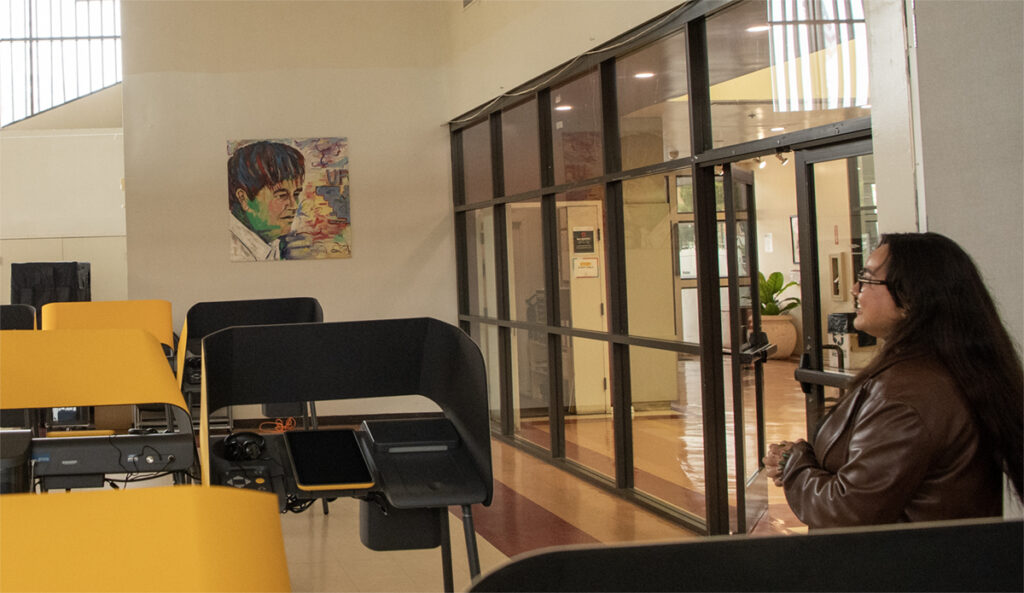
A year later, the nonprofit moved into the existing community center, under a five-year, $4 million agreement to offer immigration and reentry services, language classes and job training.
While discussions for a new center appear to have run aground, the city — impressed by the work the nonprofit has done to garner public support around it — decided to open the center with them at the helm.
New funding will also allow staff at the center to expand their slate of classes and offer tutoring to students. They also hope to rotate art and cultural exhibits that use multimedia activities, artifacts and first-person narratives to highlight contributions and social issues of Latino-Americans. The inaugural exhibition will feature work from Latino veterans, Sahagun said.
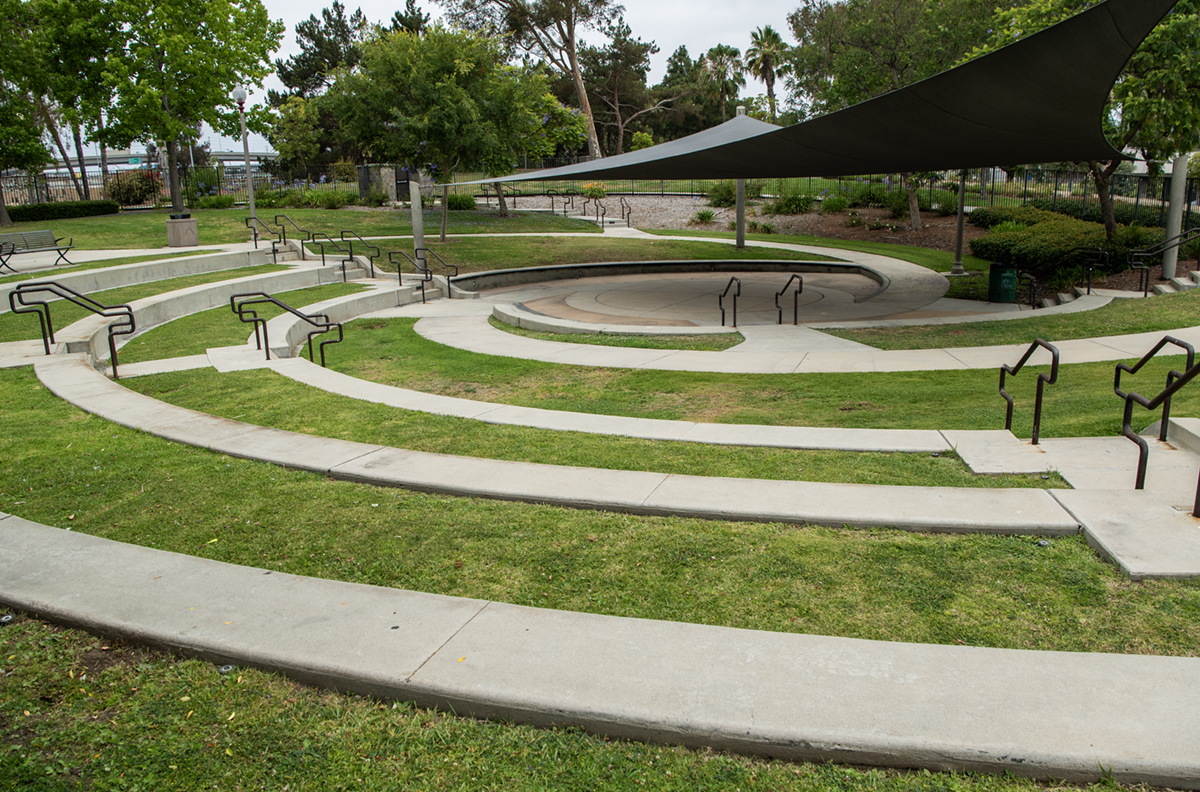
Outside, an amphitheater will be used for monthly shows, band practice, celebrations and venue rentals.
Eventually, the nonprofit wants to repaint the building, replace the flooring and open a gift shop to sell local wares. Outside, they want more lighting, new benches and a mural — hopefully unveiled as part of the fourth annual Hispanic Heritage Celebration in October. They also hope to open a monthly mercado.