

Tracking sharks off the California coast is a full-time job. One program that does that is on the brink of losing its funding, even as they want to help track sharks during the 2028 Summer Olympics.
The Shark Lab at Cal State Long Beach recently announced a plea for private contributions to fund another year of research and data collection focused on keeping the public safe.
The plan leading up to the 2028 Summer Olympics is to create a tracking system specific enough to share real-time monitoring information with local lifeguards through state-of-the-art autonomous boat and drone technology.
“There are going to be Olympic events in Long Beach Harbor, down in San Clemente – there are white sharks in all those places,” said Chris Lowe, director of the Shark Lab, highlighting the importance of the tools not only for athletes, but for the public also visiting from all over the world.
“Lifeguards will be scrambling for monitoring data, and they won’t have it if we run out of money,” Lowe explained.

In 2019, the lab’s Shark Safety program began after it received nearly $4 million from the state to set up a research program to tag white sharks and use drones to monitor them from the air, while using new EDNA technology to measure their presence in the water.
“That money was scheduled to last 5 years; we made it last 6,” Lowe said. “Last year we tried to get state money back, but we were told ‘the budget’s too bad, we can’t fund you this year.’”
State Sen. Tony Strickland of Huntington Beach put in a request this year for $1.7 million in NOAA funding. “The funds requested for FY 2026–27 represents the immediate need to prevent program reductions as existing funding expires and to maintain continuity of operations,” said Strickland in his budget request. The lab’s annual operating budget is around $1 million, and the hope was that the extra funding could expand the program to Monterey Bay.
Since Strickland’s request was denied from this year’s budget, the lab’s funding is set to run out in September. Going a year without funding would be detrimental to the program’s support system, Lowe said. He says half of the budget goes toward the salaries and training of highly experienced and educated technicians, required to keep the program moving.
Roughly $700,000 worth of equipment is set up in the ocean, monitoring around 260 white sharks from Morro Bay to San Diego. “That’s a lot of money in the water that we have to constantly maintain and download… but it provides huge amounts of data, and we share that data with everybody,” said Lowe.
Lowe is also worried about the potential crisis local beaches may face in the event of an incident such as a shark bite, as the public may be dissuaded from visiting a beach following an incident.
Lowe sees education as a crucial way to mitigate that risk and raise awareness. The Shark Lab created summer outreach programs led by undergraduate students that visit beaches along the coast, teaching beach safety surrounding marine life and risks like rip currents.
“We’ve teamed up with psychologists to look at people’s perceptions, and we’ve teamed up with an economist to look at what those costs really are,” Lowe explained.
“These are all projects with the goal of keeping both people and sharks safe,” Lowe said. “We just need help. We need financial help.”
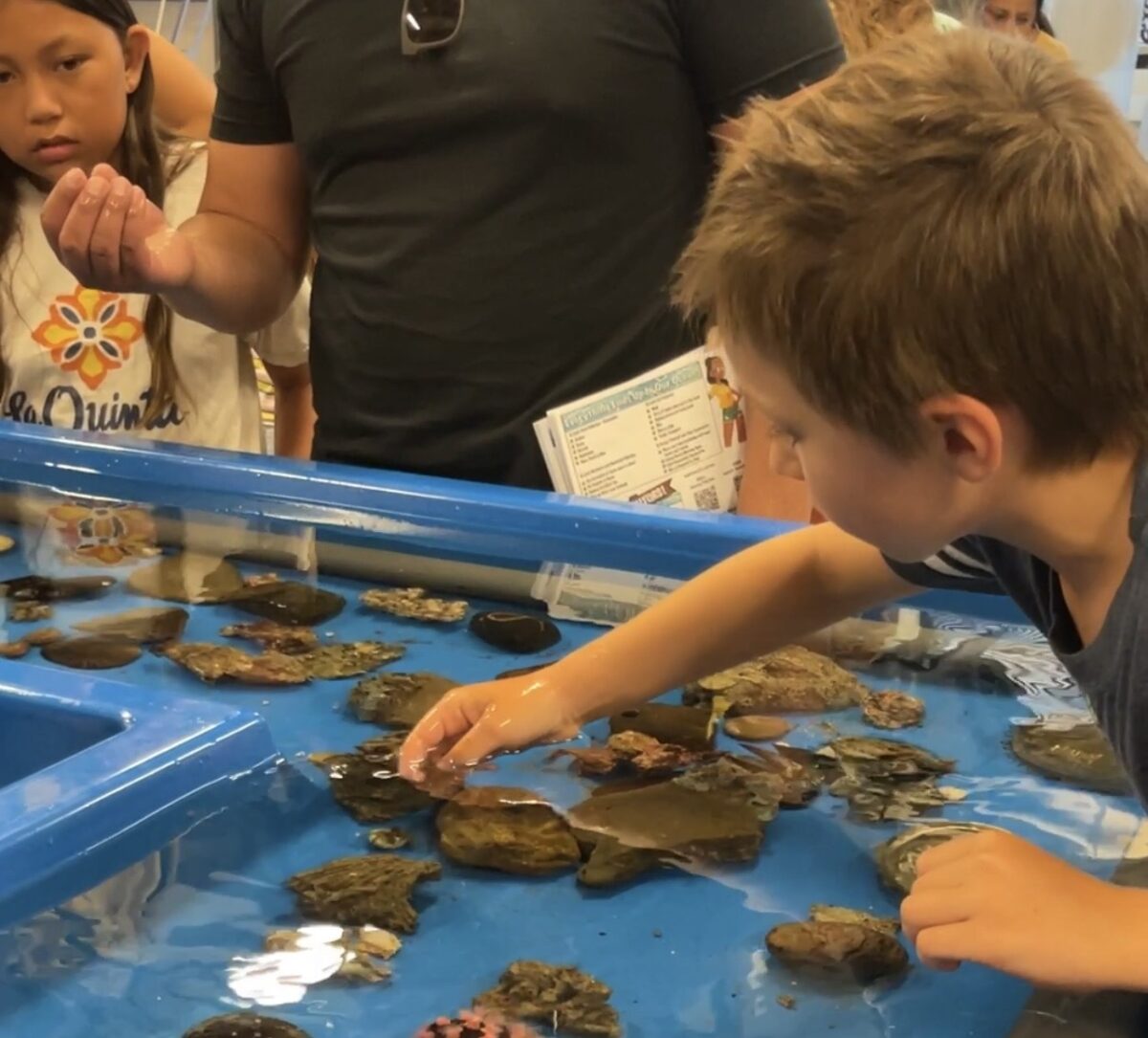
This Saturday at Cal State Long Beach, The Shark Lab will be opening its doors to the public for its annual open house event. This will be a chance to tour the lab, meet live marine animals, and catch a Q&A with director Chris Lowe, as they try to keep the program afloat.