

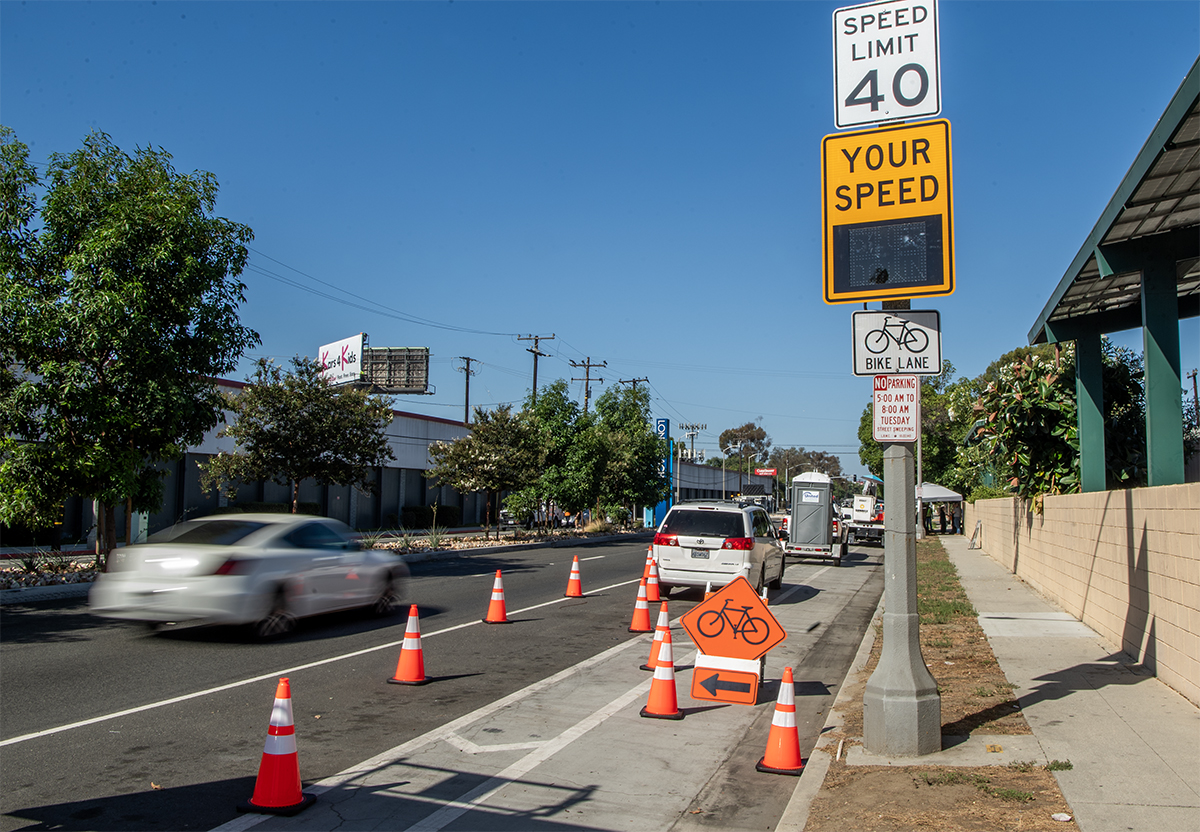
This story is part of our ongoing series on the city’s new speed cameras. Follow along and read our FAQ at LBPost.com/speedcameras.
In just 30 days, Long Beach’s new speed cameras sent roughly 130,000 warnings to drivers going 11 mph or more over the speed limit, the city’s Public Works director said in an interview Thursday.
City employees are still double-checking those numbers and verifying the cameras were working properly, so 130,000 is an estimate for now, according to Public Works Director Joshua Hickman, but it’s still a little eye-popping.
“It’s a big number,” Hickman said, adding that other cities also saw large tallies when they switched on their cameras.
How they work: Long Beach’s speed cameras will keep sending warnings until Dec. 7, when they start issuing automatic tickets ranging from $50 to $500 depending on how fast someone’s going. See their 18 locations here and read our FAQ for more.
Malibu, for example, made headlines when it issued more than 100,000 speeding violations in just nine days along Pacific Coast Highway.
In San Francisco, a total of 18 cameras issued 30,910 warnings to speeding drivers within the first 30 days, and in Oakland, 36 cameras issued 140,445 warnings over the first five weeks – roughly 100 per camera per day.
With its first update, Oakland included a bunch of interesting data points. Like the fact that 11 drivers racked up 30 or more warnings in the first five weeks – while 64.4% of drivers were issued only one warning.
We don’t yet have that data for Long Beach’s speed cameras. The city hasn’t fulfilled our public records requests for the data, but the 130,000 number at least gives a glimpse of how many people are speeding.
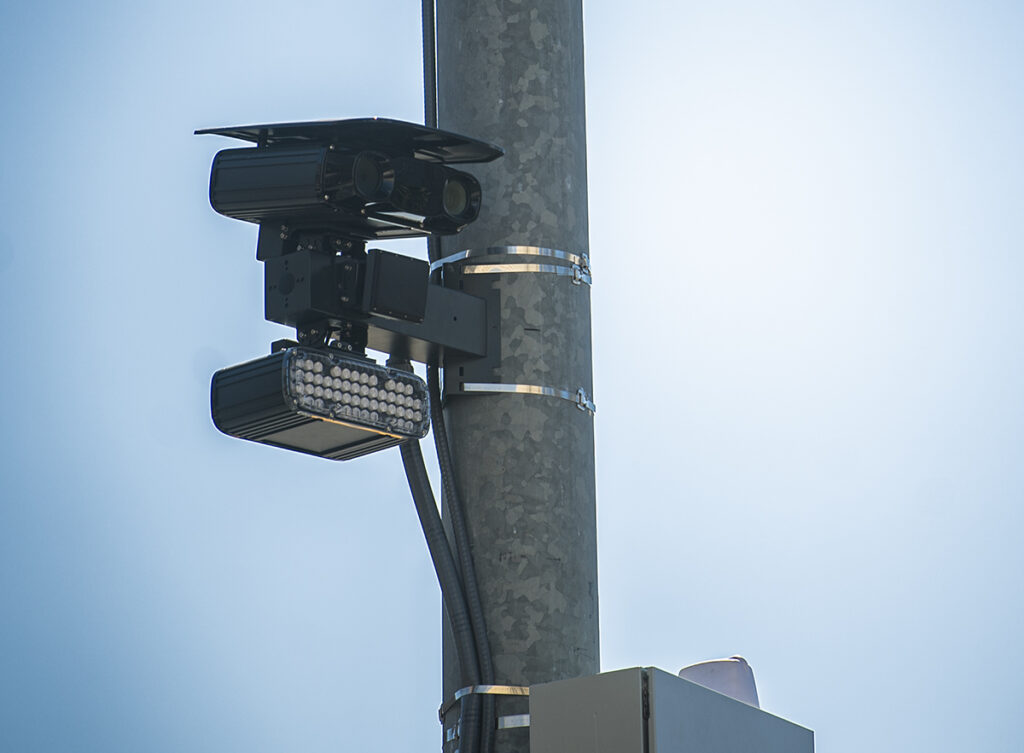
It’s a shocking amount, according to Blair Cohn, the president of the Bixby Knolls Business Improvement Association, who has fought for safer streets.
Cohn said he regularly sees people speeding through Bixby Knolls, including one recently who was “zigging and zagging [like he] wants to be a Formula One driver.”
After a speeding Tesla crashed through the glass doors of a pharmacy on Atlantic Avenue in January, one nearby landlord started pushing the city to install bollards or other barriers to protect shoppers from careening cars.
When our speed cameras start issuing tickets on Dec. 7, that’s the type of thing they could pay for. By state law, any profit the city makes must be spent on street and safety improvements.
City officials hope this strategy can slow down drivers enough to curb a stubborn trend of rising traffic deaths, which have far outpaced homicides recently.
Cohn said he doesn’t think drivers will really slow down until the tickets start hitting their mailboxes.