November is Prematurity Awareness Month, a reminder that the right specialists and newborn care should be in place before they’re needed.
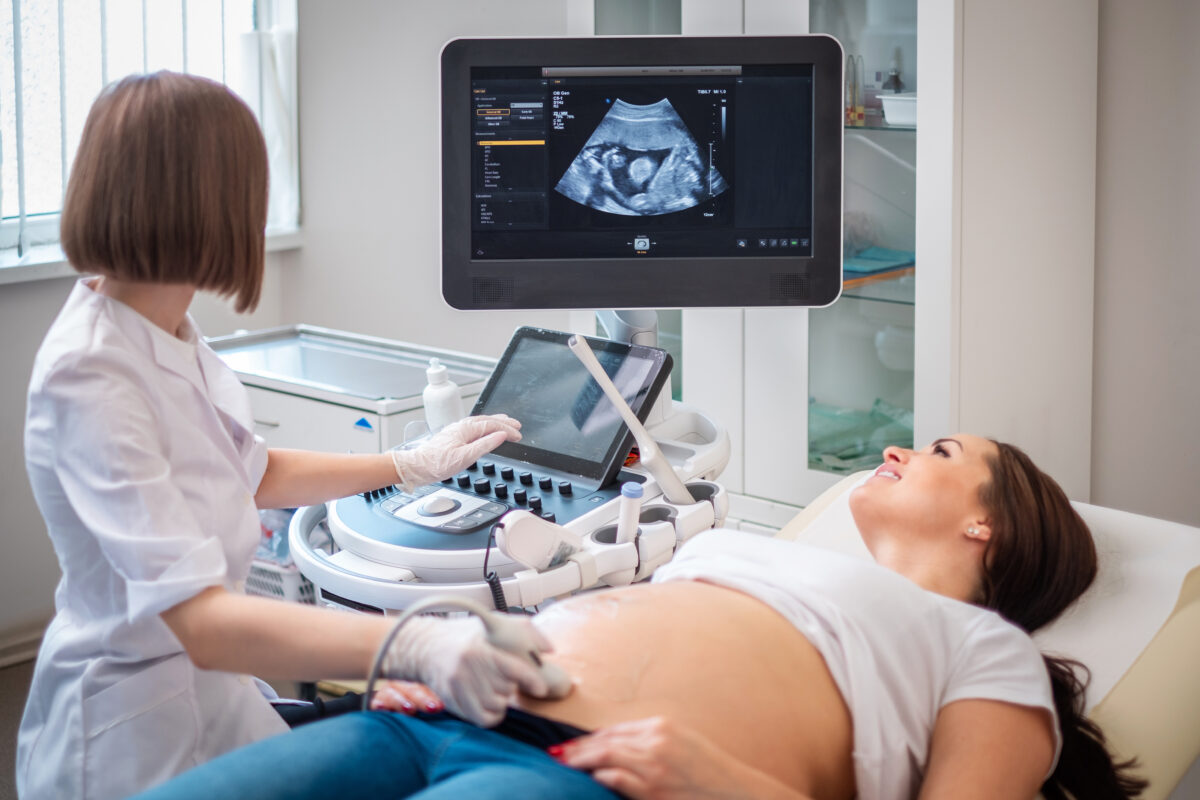
Most pregnancies progress with routine prenatal care, but some become high-risk because of a mother’s health condition or age, a pregnancy with twins or more, or a concern found during prenatal care. Often these high-risk pregnancies result in premature birth, which is why November’s Prematurity Awareness Month is a reminder that those with high-risk pregnancies should plan where they deliver.
That’s often when families look for a hospital equipped for complex maternity and newborn care, such as the Cherese Mari Laulhere BirthCare Center at Miller Children’s & Women’s Hospital, where specialists are in place before they’re even needed.
“High-risk pregnancy care begins with our High-Risk Pregnancy Program, and every patient has a plan built around her, not just her diagnosis,” said Vineet Shrivastava, M.D., maternal-fetal medicine specialist, medical director, Miller Children’s & Women’s Hospital. “Maternal-fetal medicine specialists, obstetricians, neonatologists and nurses review her pregnancy together, so if a complication comes up, we’ve already planned what to do and who needs to be in the room.”
Some moms need closer monitoring before delivery. For concerns such as preeclampsia, early labor, or another high-risk condition, the Perinatal Special Care Unit supports women who may be hospitalized for days, weeks, or longer before giving birth. Private rooms and technology let the care team watch the baby’s heart rate and mom’s health and prepare for a possible early delivery.
Other families learn during pregnancy that their baby may need critical or specialty care after birth. The Perinatal Connections Program connects parents with pediatric specialists, introduces them to the Labor & Delivery or NICU teams and creates a care plan that reflects each baby’s needs and family’s values.
Should a critically ill or premature baby need critical care after birth, Miller Children’s & Women’s is home to a regional Level IV Neonatal Intensive Care Unit (NICU), the highest designation from the American Academy of Pediatrics. For the smallest babies, born as early as 22 weeks, the Small Baby Unit and Tiny Baby Program support micro-preemies—babies born less than 28 weeks gestation or weighing less than 1,000 grams, or about 2.2 pounds—the size of a soda can.
The Small Baby Unit is designed to mimic the mother’s womb – lights are dimmed and talking is in whispers to support an environment where the baby can grow and develop. Babies in this unit focus on lung development and breathing, temperature regulation, and neurological and gastrointestinal growth.
“Every week a baby stays in the womb matters, because the lungs, brain, and gut are still maturing,” said Anupama Shetty, M.D., medical director, NICU, Miller Children’s & Women’s Hospital. “For a micro-preemie, our job is to protect that development while the baby grows outside the womb. We use gentle breathing support to spare fragile lungs, build nutrition with mother’s milk whenever possible, and monitor the brain and other organs closely. We also encourage parents to hold their baby skin-to-skin when it’s safe, which supports stability and bonding.”
Because Miller Children’s & Women’s is one of only three hospitals in California that combines maternity and pediatric care under one roof, those with high-risk pregnancies have access to leading academic-level care, close to home right here in Long Beach.
To learn more, call (562) 933-2415 or sign up for an in-hospital tour at Miller Children’s & Women’s Hospital.