

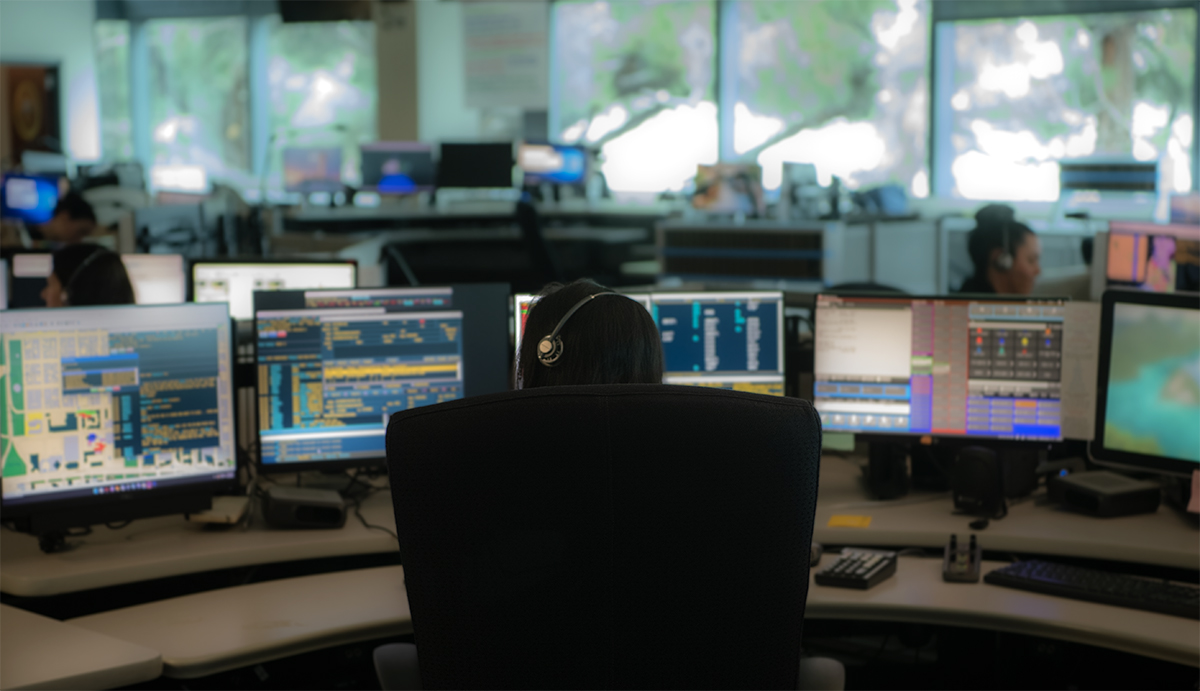
Artificial intelligence will soon listen to, record and review thousands of calls — emergency and non-emergency — made to police and fire department dispatchers in Long Beach.
City officials confirmed Friday they are in the early stages of rolling out a new program called CommsCoach AI, made by GovWorx. Once fully implemented, it will review calls for the sole purpose of quality assurance, officials say, flagging interactions where it believes dispatchers don’t respond properly.
It will monitor each of the 600,000 calls made to the city’s dispatch center a year, instantly generating audio files, transcriptions and an overall score for each. It replaces the task of supervisors manually reviewing calls. In past years, they’ve aimed to spot-check about 12,000, but the short-staffed group has been falling short of that goal.
Under the AI system, a dispatcher’s improper tone of voice, use of a keyword or phrase, argument or not asking for the right information could get a call flagged. Those that are flagged will then be reviewed by a supervisor.
If a caller says the word “gun,” for instance, the AI will analyze whether the dispatcher asked the necessary follow-up questions.
It’s a training tool to make sure dispatchers are gathering “the details that are necessary so that first responders are clearly aware of the incident upon their arrival,” said Reginald Harrison, Director of the city’s Department for Disaster Preparedness.
There is “no goal of replacing dispatchers with AI,” Harrison said, explaining they are not looking to automate emergency call handling, nor remove human judgment from life-critical decisions.
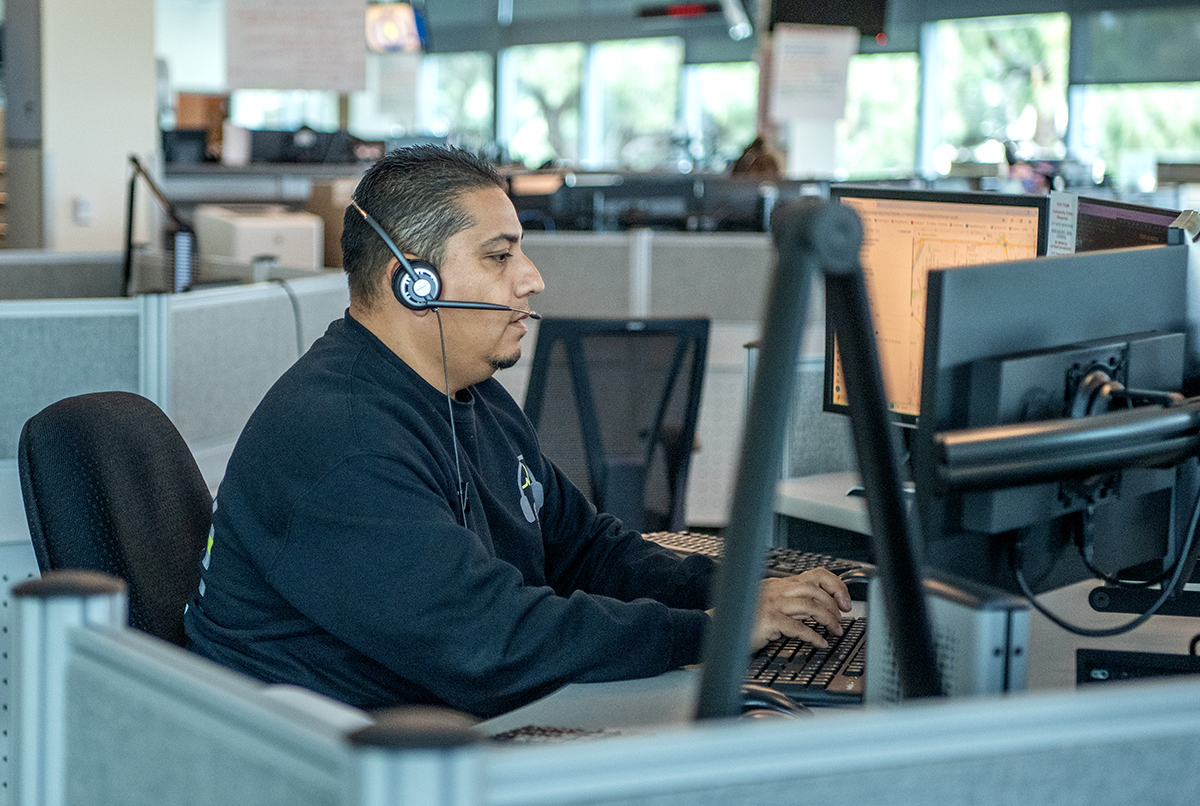
City staff previously conferred with the city’s dispatchers’ union before bringing the item before the Long Beach City Council in August. The contract for CommsCoach costs the city roughly $68,000 per year through 2028.
Any data or recording will stay with the city’s servers, Harrison added.
The program is currently reviewing some calls in a testing phase to see whether it works properly. It should be fully operational by the end of next month.
“As soon as we feel satisfied that we’ll get the information that we’re looking for, then we’ll make it live,” he said.