


Researchers at Cal State Long Beach are undertaking a project to understand how veteran suicides are identified, recorded and reported across California.
In a multiyear initiative funded by the California Department of Veterans Affairs, CSULB faculty, alongside UC Berkeley researchers, are examining inconsistencies in data collection across California’s 58 counties — with the hopes of creating uniform protocols and improving data quality.
California is home to the second-largest veteran population in the country, behind Texas. And a recent report from the U.S. Department of Veterans Affairs found that about 35 out of 100,000 veterans die by suicide — more than double the suicide rate of the overall adult population in the U.S. Yet, depending on resources, geography and relationships with local organizations, California counties vary in how they document veteran suicides, the research team said.
“When data are not standardized or aligned across systems, it does become difficult to fully understand the scope of the problem or design targeted prevention strategies,” said Jeremy Ramirez, a principal investigator on the project.
The research team aims to change that. They’ve begun visiting county coroners, medical examiners and others involved in the death and identification process across the state, collecting data through interviews and questionnaires. While the process for investigating deaths is standardized, there’s variation in how counties determine veteran status, a challenge in the wake of any death, said Gino Galvez, another PI on the project. For example, a county coroner who has close relationships with local VA offices may be able to pick up the phone to determine veteran status, while other counties may get routed to a larger VA hub, Ramirez said.
Though the initiative is focused on understanding how counties identify and report veteran suicides, the researchers learned through their conversations that county officials had a large appetite for information on suicide prevention. The team is now gathering information on prevention efforts underway across the state and plans to disseminate the information to counties.
Many county coroners and medical examiners are veterans themselves, so they understand the challenges of transitioning from military service to civilian life, said Erlyana Erlyana, one of the project PIs. In interviews, coroners and medical examiners have disclosed to the researchers the personal toll of investigating veteran suicides.
That is precisely why veterans themselves are involved in the research efforts. Ramirez served eight years as an Army combat medic, and another member of the UC Berkeley team is a Marine. Ramirez said he approaches the work with profound gratitude and respect for “our former service members who have taken on this responsibility.”
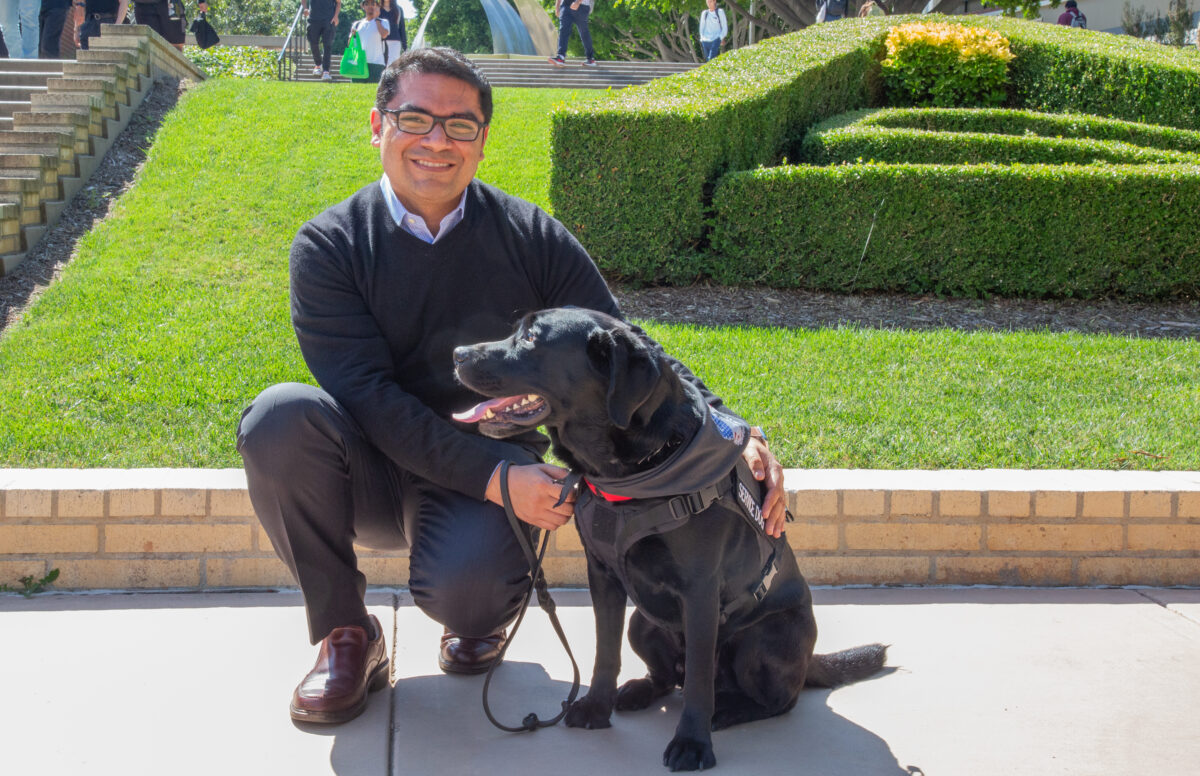
The Cal State Long Beach team has been immersed in research around veterans for years. Ramirez and Erlyana had already been working with organizations across the country training service dogs for veterans with post-traumatic stress disorder.
This existing work, combined with the expertise of other researchers in medicine, policy development, mental health and data and information science, positioned them well to dive into this work, Ramirez said. As the research progresses, he hopes to develop a clearer picture of any patterns in the mortality data, which could in turn drive policies, resources and interventions.
Every state in the country should be following California’s lead to more accurately report veteran suicide data “so that decisionmakers and legislators have the information they need to be able to respond more effectively to this crisis,” Ramirez said.
Help is always available. If you or someone you know is exhibiting warning signs of suicide, call or text the 988 Suicide and Crisis Lifeline.