

It’s like shooting a bullet with another bullet.
Except the two — one the size of a trailer and the other as tall as the Empire State Building — are thousands of miles apart and moving at 7,000 miles an hour.
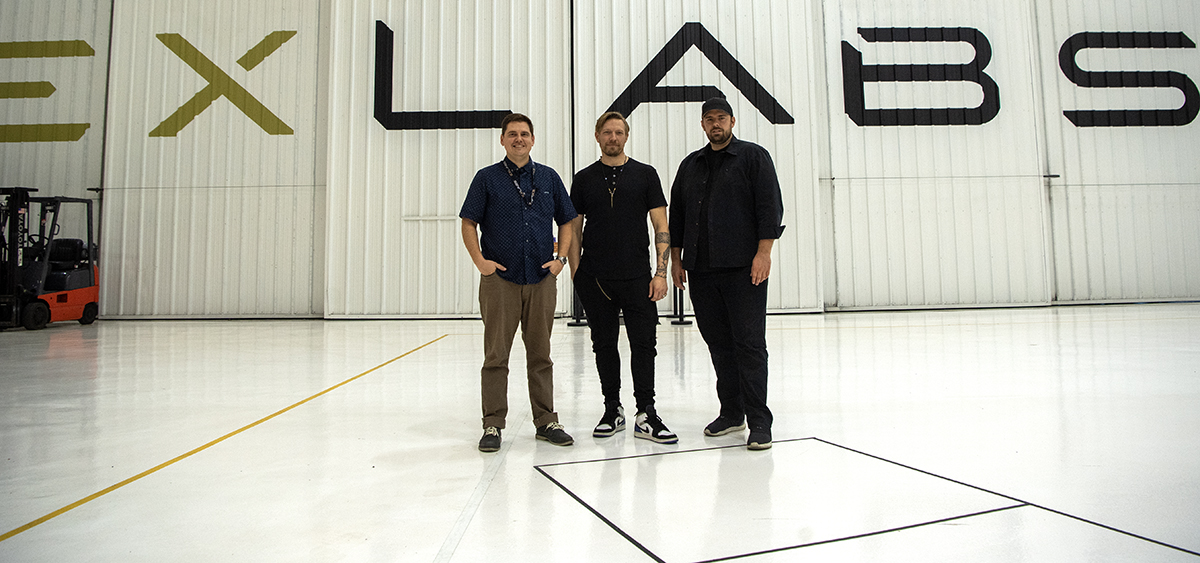
It’s a gamble of millions of dollars and the professional reputation of the Long Beach-based ExLabs that it doesn’t miss.
The company, which operates out of a 30,000-square-foot warehouse near Long Beach Airport, is scheduled to design a spacecraft set to be launched in April 2028. Its target: a passing asteroid.
The launch will take place when the asteroid is as close as it will come to Earth — about 32,000 kilometers away — when it dips below satellites and near enough to be seen by the naked eye.
It will take a year from the point of launch for the ship to catch up with the asteroid, named Apophis, as it shoots past the planets and loops back, with the goal to make contact on April 13, 2029.
The asteroid, originally found in 2004, isn’t expected to return again until 2036.
“We just chose that because it’s such a unique time and moment in human history,” said ExLabs co-founder James Orsulak. “We can’t miss that.”
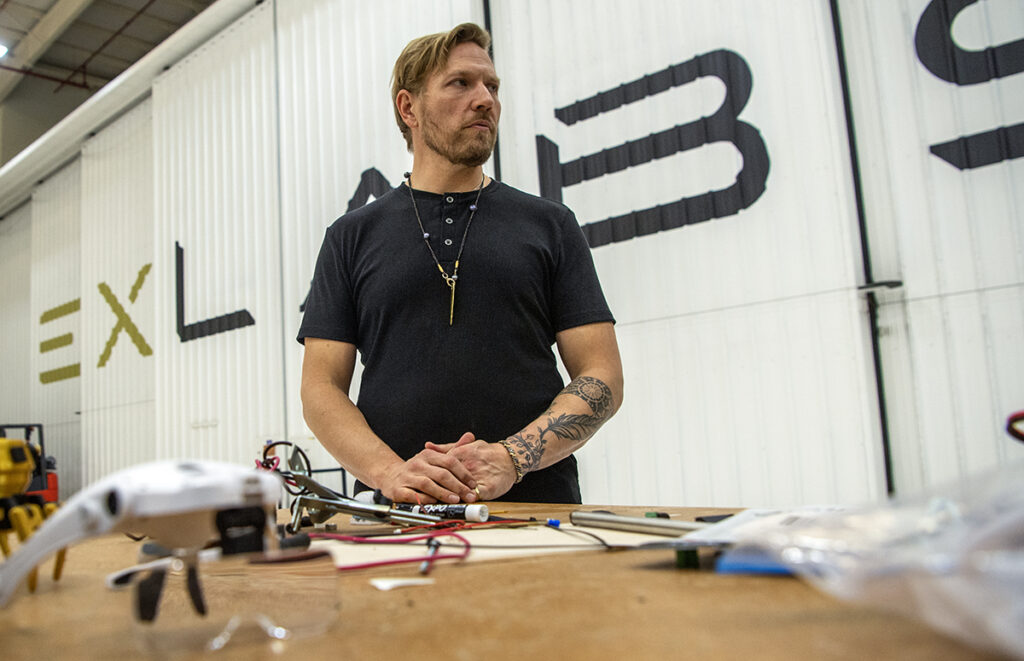
The operation, given that it takes place so far from the planet (some 100 million kilometers away), will be largely autonomous. Crews will give orders based on data sent back to Earth, though there will be a delay.
Once in contact, the payload items will be launched from the craft onto the asteroid and will, over time, study the hurtling rock for its composition, origin and other data. It’s a one-way flight; the spacecraft will stay for the remainder of its lifespan (3 to 5 years).
The company’s funding comes from a mix of grants and contracts through the U.S. Space Force, Air Force, NASA, and JPL. They also have several design contracts through their robotics team.
Financing their missions, explained co-founder and chief finance officer Freyr Thor, comes from a patchwork of business partners and customers, clients and civil agencies that pay to send “payloads” that can collect data on their behalf during the mission’s operation.
It’s the hope of ExLabs’ dozen or so employees that this will be the earliest model for a burgeoning industry of capturing, studying and mining asteroids.
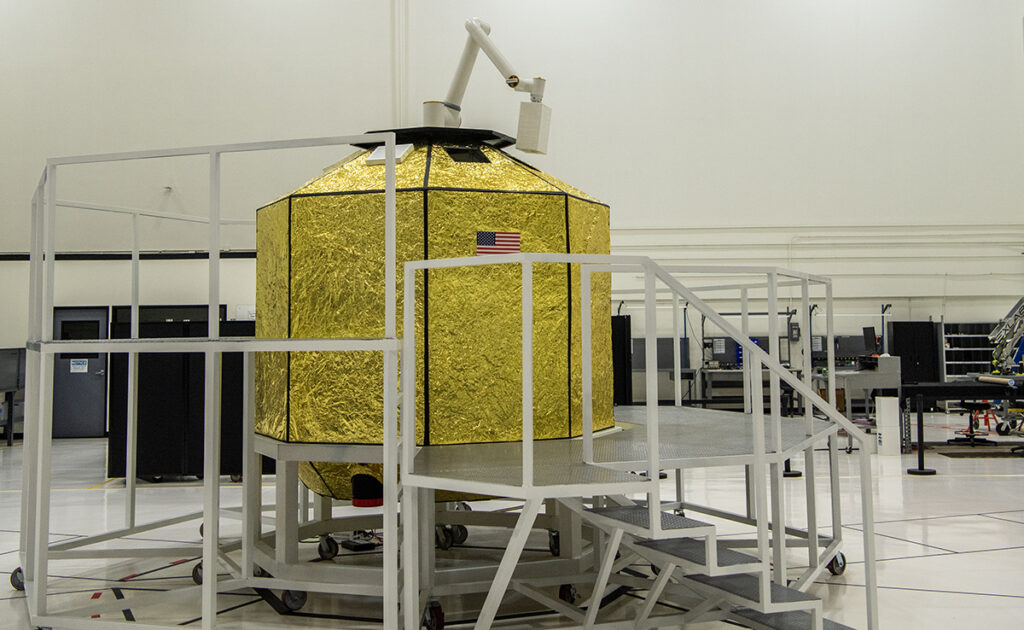
Their business would delve largely into the first category. There’s a lot a telescope can’t tell you about a planet or asteroid. For the longest time, scientists have used the reflection of light to judge composition.
“We’re looking to understand what is the internal structure, and specifically, what is the internal structure, and what are the changes happening as it passes through Earth’s gravity field,” Orsulak said.
Within the next decade, the company hopes to develop spacecraft to capture and retrieve asteroids that can be studied or prospected for rare earth materials, which are vital to medical devices, hand-held electronics and computers.
The models, they say, would be standardized, built using 3-D printers within a matter of months and scaled up to 10 times as large.
Unlike comets, asteroids are iceless, rocky bodies left over from the creation of the solar system. Most are so-called main-belt asteroids, moving in nearly circular orbits between those around Mars and Jupiter. But there are also asteroids whose orbits bring them close to Earth. It is these — about 41,000 so far known — that most intrigue Orsulak.
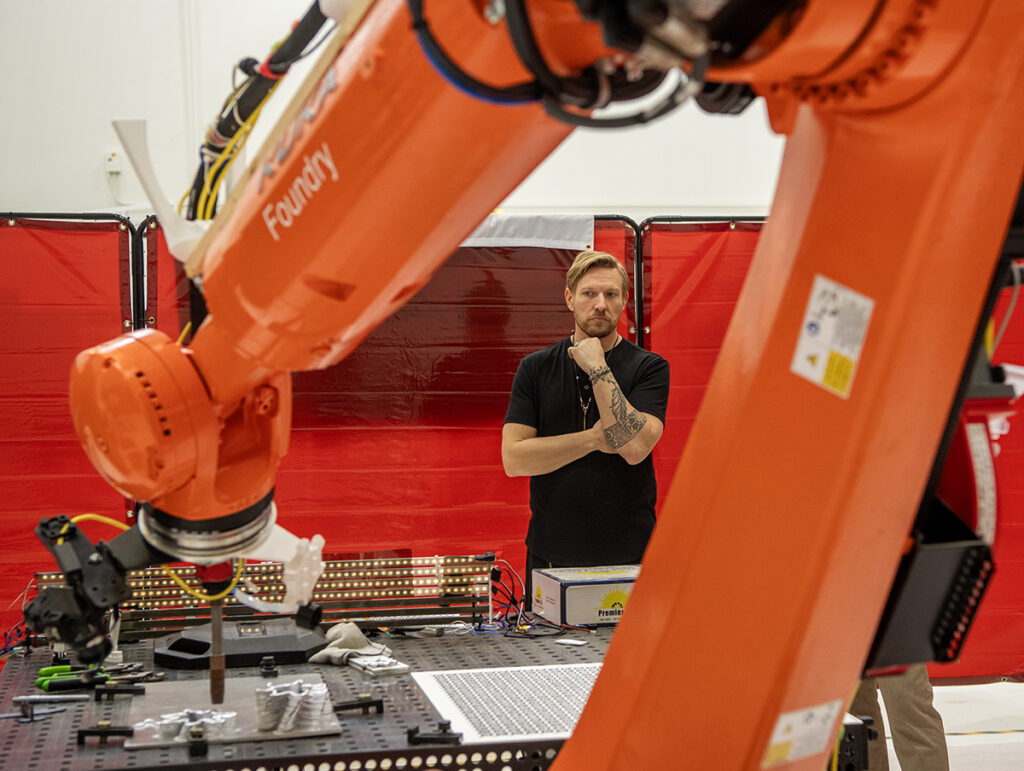
While Apophis is expected to be made of some nickel and rock, other near-Earth asteroids are potentially packed with valuable minerals like cobalt, gallium, platinum and chromium.
It’s an industry that could one day total billions of dollars, and put an end to mining on Earth, Orsulak thinks, as privately managed companies could scour space as the first real example of human exploration into the solar system, and tow their bounties back to the moon’s orbit.
Asteroids would be mined in the moon’s orbit as part of a scientific and commercial park, by spacecraft that are meant to stay in space for all of their needs, from refueling to gathering water.
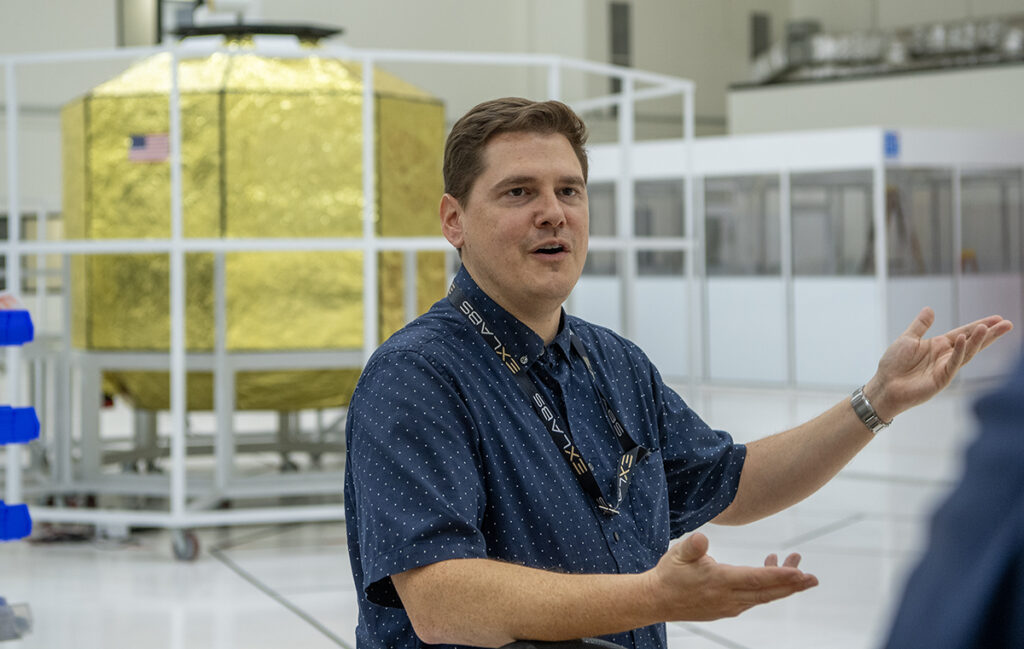
“It’s the beginning of a reversal of Earth’s supply chain,” Orsulak said. “There’s no reason to mine Earth when you have access to truly infinite resources in space.”
It’s an idea that, since the early 1970s, has captured the imagination of scientists, engineers, politicians and writers, touted as the answer to the world’s increasing hunger for diminishing resources.
It’s also a personal mission for Orsulak, who began his career with Planetary Resources, a similar but short-lived venture in the early 2000s that drew an A-list of investors and advisors, including Google Chief Executive Larry Page and Chairman Eric Schmidt, “Avatar” director James Cameron and Microsoft’s former chief software architect Charles Simonyi.
“They succeeded in establishing the legal framework to work on asteroid resources, [such as] how do you own resources captured from an asteroid under US law,” Orsulak said.
There is also the matter of defense against asteroids. Orsulak is among the scientists who believe that it was a large asteroid, perhaps six miles in diameter, that did in the dinosaurs when it struck the Yucatan Peninsula 65 million years ago, plunging Earth into cold and darkness.
He’s not too keen on letting that moment repeat itself.
“When you have an asteroid that’s threatening the planet, how do you move it? How do you redirect it?” Orsulak asked.
“Humanity has the opportunity to start to do kind of bigger, harder things in space.”