

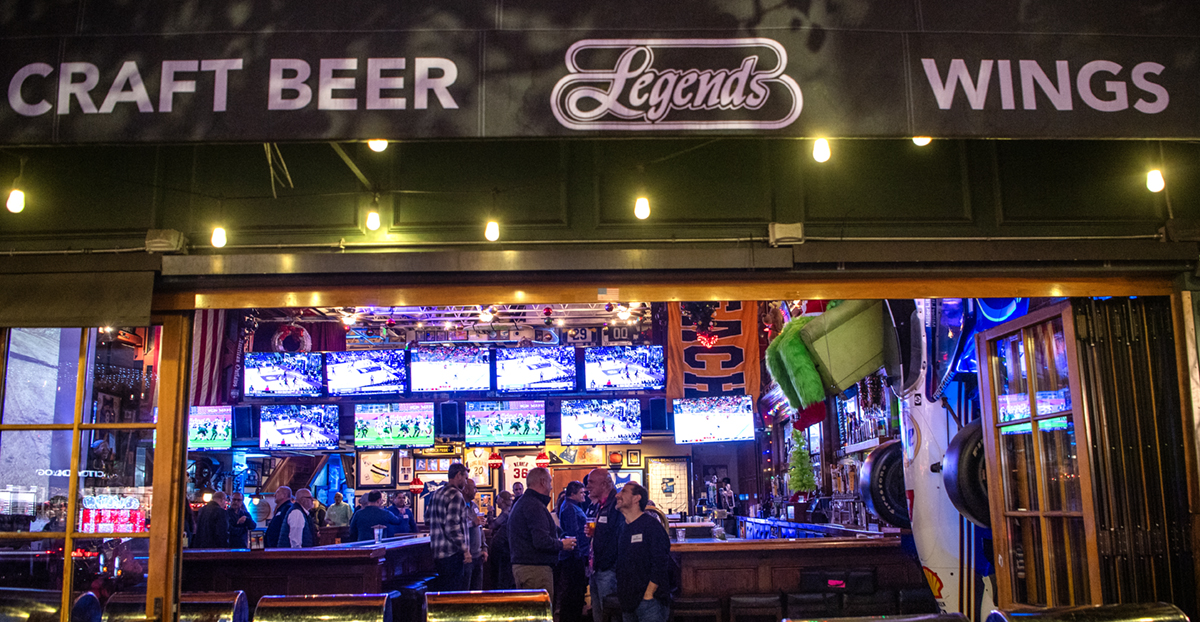
Following the shooting death of a local man and complaints of public drunkenness in Belmont Shore, the Long Beach City Council is expected to consider stricter rules for nightlife along Second Street.
In a memo released Dec. 24, the Chief of Police and city officials outlined options that include increased patrols and enforcement tools that are used elsewhere in the city.
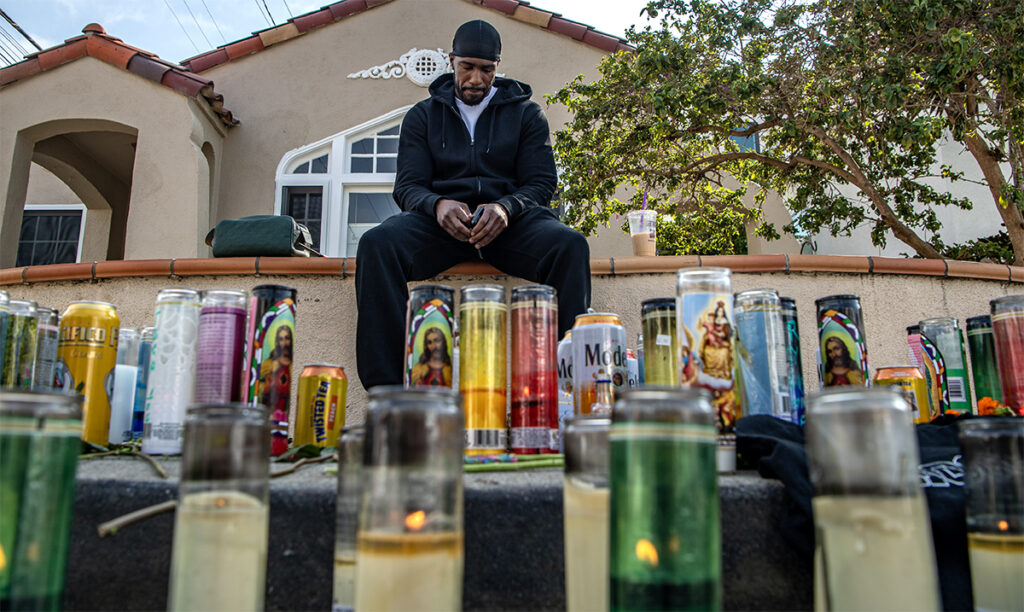
This comes two months after the fatal shooting of Jeremy Spears, 32, following an altercation at a Second Street bar, the third killing in two years on or near the late-night strip.
Despite police citing a decline in the area’s violent crime, the Spears’ death was met with a swift response by civic leaders who sought to rein in the at-times unruly bar scene with increased patrols and a voluntary midnight moratorium by the businesses.
A month later, angry residents told the City Council that the dining and retail corridor had become a magnet for fighting, harassment, vomiting in the streets and intoxicated drivers.
One described a drunk driver who drove through the brick wall fronting his yard, adding that his children have gone outside in the morning to find their cars damaged by hit and runs.
Kristina Duggan, who represents the area on the City Council, initially proposed the curfew be permanent. At the same meeting, she asked administrators to return with an estimate of how much it would cost to increase police presence along the strip.
But the department lacks the personnel and funding to reopen a substation there or increase police presence, officials said. It is also against state law to place DUI checkpoints along or next to Second Street.
It would cost between $522,000 and $1.4 million to reinstate the walking beat, depending on the number and frequency of stationed officers along the 3-mile corridor, according to the memo.
City police conduct about seven DUI checkpoints a year, as well as 21 DUI saturation patrols, which are paid for by a state grant. A typical checkpoint costs about $13,000, the memo stated.
Duggan expressed sympathy for restaurateurs who lose business and suggested there might be a disconnect between crimes that residents witness and those ultimately reported to police.
But officials in the memo downplayed the problem. They said property crimes along or near Second Street dropped by one-fifth in 2025, while societal crimes — DUIs, loitering and disorderly conduct — declined by 40% in the same year.
The memo did note the area saw a 3.7% increase in violent crimes in 2025.
Data from police obtained by the Post showed a decline in tickets issued for public drinking since 2019, when officers wrote 26 tickets on or near Second Street. In the last four years combined, police have issued just 14 tickets.
Duggan said the police department is “almost 20% down on our staffing,” saying the department has 116 fewer officers than it did in 2018 — the same year the department cut its dedicated walking beat to Belmont Shore, due to vacancies.
The councilwoman said any safety plan must strike a balance between validating the fears of nearby homeowners with statistical evidence and an already strapped police department.
“We all see that we don’t have as many officers as we used to,” Duggan said. “They all see that we need more public safety. We need to do what we can right now with what we have.”
Officials say they will continue to deploy more cops to Belmont Shore during peak hours, an effort the department began in February. Its overtime staffing between 10 p.m. to 3 a.m. cost $100,000 for the remainder of the year.
Officials said one option is to require permits that a late-night bar or restaurant would need to operate, with similar conditions as what’s already required in downtown.
The permits could require a bar to hire more security guards, install better lighting and surveillance cameras. Businesses that stay open until 2 a.m. couldn’t admit new patrons after 1 a.m., insist that bouncers wave metal detectors on those coming inside and do a better job of cleaning up outside litter.
It would also raise requirements needed when applying for a business license.
Businesses that violate the rules — or are frequently the site of police calls for service — could face a tiered system of consequences, such as reduced hours, elimination of music or closing the business altogether. Complaints over troublesome businesses would be added as a feature to city app Go Long Beach, expected to rollout in March.
Permits would be needed because these businesses in Belmont Shore opened before current laws existed, and they can’t be subject to them retroactively, Community Development Director Christopher Koontz said in an interview.
These procedures would give city planners considerable leverage, because they can tack conditions onto the permits mandating noise control and crowd control.
According to Koontz, the city should bring an ordinance before the council by the end of February, after completing other items the City Council requested, including a citywide map of hot spots for violent crime at bars, smoke shops and liquor stores.
A public hearing will also be held later this month.