


The city of Long Beach plans to dip into its emergency reserves to balance its books this year as lagging tax revenue and rising expenses worsen its financial position ahead of the budget’s close on Sept. 30.
The city says it will pull $27 million from a total of four reserve accounts, exhausting its operating reserves and taking out $16.5 million from its $50.1 million emergency reserve — money set aside specifically for natural disasters and unforeseen crises.
The city last tapped that reserve during fiscal years 2020 and 2021, as officials awaited COVID-19 federal relief money while stay-at-home orders shuttered businesses and forced the city into furloughs.
While not in the midst of a natural disaster, city administrators say Long Beach’s financial picture demands the use of these funds. “I don’t think it’s a secret that we have been hit pretty hard by the economic conditions that are out there,” City Manager Tom Modica said in an interview Wednesday.
City revenues are projected to come in about $21 million below expectations this year, while expenses are set to run $20.8 million over. The city’s utility tax alone is down nearly $14.7 million as residents use less electricity and gas. Airport revenue has stayed flat even as passenger traffic at Long Beach Airport fell 11%, its second straight yearly decline. And Measure LB, a tax on power plants that voters approved in 2024, has fallen well short of projections, prompting the city auditor to request documents and open a review, Modica said.
Interest earnings have also slipped as low rates and heavy infrastructure spending leave less cash to invest, said city Financial Management Director Kevin Riper.
The city’s Health Department, meanwhile, needs an $11 million bailout from the city’s general fund after losing about $18 million in federal grant funding — its second consecutive deficit as stagnant state money fails to keep pace with rising costs in its $254 million budget.
Adding to the strain: labor agreements with city unions have layered on $38.3 million in new structural costs over three years, insurance costs are booming, and a hiring push that cut the police vacancy rate from 26% to 13% and lowered firefighter vacancies to 3.2% means the city is now paying salaries it had budgeted to save on through unfilled positions — a $10.6 million underestimate in the citywide activities budget.
City departments began cutting costs last fall in anticipation of the gap when Modica asked them to find 3% savings through hiring delays and paused capital projects. Most hit between 2% and 7%, though Economic Development and the Health Department both ran about 11% over budget.
The Police Department cut the most of any department — nearly $11 million — by trimming overtime, deferring its next recruit academy to next fiscal year, freezing professional-staff hiring and scaling back non-critical purchases.
The city also found $16 million in savings by leasing or financing new vehicles instead of buying them outright, though Riper cautioned the move is effectively irreversible without the city eventually having to “double collect” to rebuild cash for future fleet purchases.
Despite those steps, they weren’t enough to close the gap without dipping into reserves for the second year running.
The city now heads into its next budget cycle with its reserves at their lowest level in years and little cushion to absorb another bad year. Modica is set to unveil a proposed fiscal year 2027 budget on July 30 that he says will require “very difficult changes” for both residents and city staff, though he has offered few specifics beyond warning that service reductions are coming.
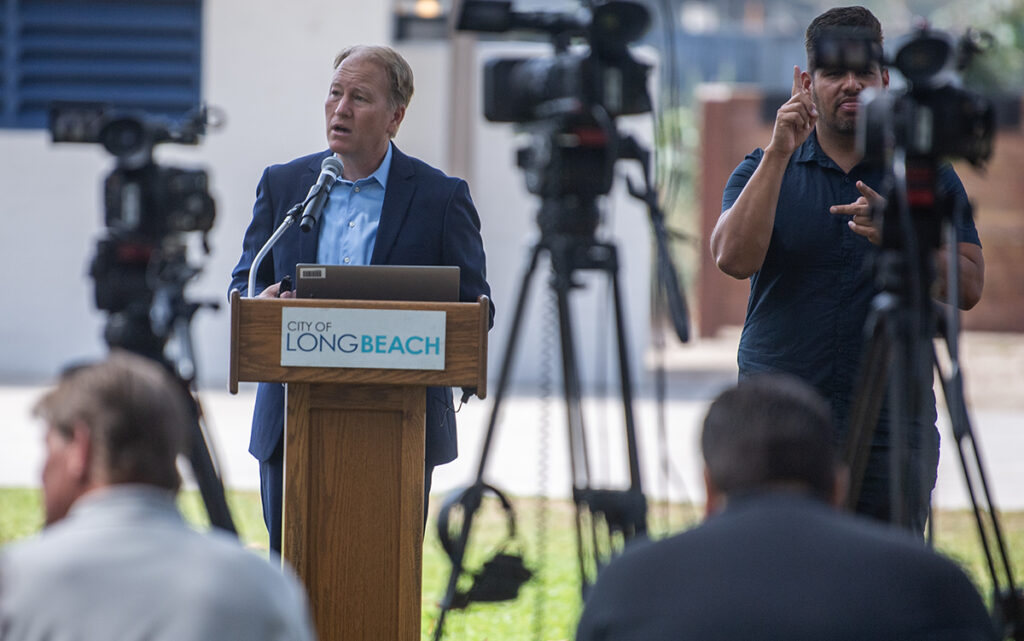
“My goal with the Proposed Budget, which will include very difficult changes for both the community and our organization, will be to outline a path to fiscal sustainability and create a plan to replenish our reserves,” Modica wrote in an email to city staff this week.
The city has pledged to prioritize rebuilding the emergency reserve as part of that process — but with revenues still soft and costs still climbing, officials have offered no guarantee the city won’t be back in the same position next year.
Municipalities across the region, including Santa Ana, Fullerton, Anaheim, Orange and Riverside County, have faced similar pressures to draw on reserves, blaming similar culprits of soft sales and hotel tax revenues, rising pension and labor costs, and federal and state aid that has either flattened or rescinded.
The city of Los Angeles pulled $358 million from its general fund reserves last year, and San Diego has repeatedly drawn down its savings, a trend officials there expect to continue.
After Modica presents his budget and the mayor recommends his changes, the Long Beach City Council must discuss, adjust and approve it by the end of September.
You can weigh in at these upcoming meetings.