

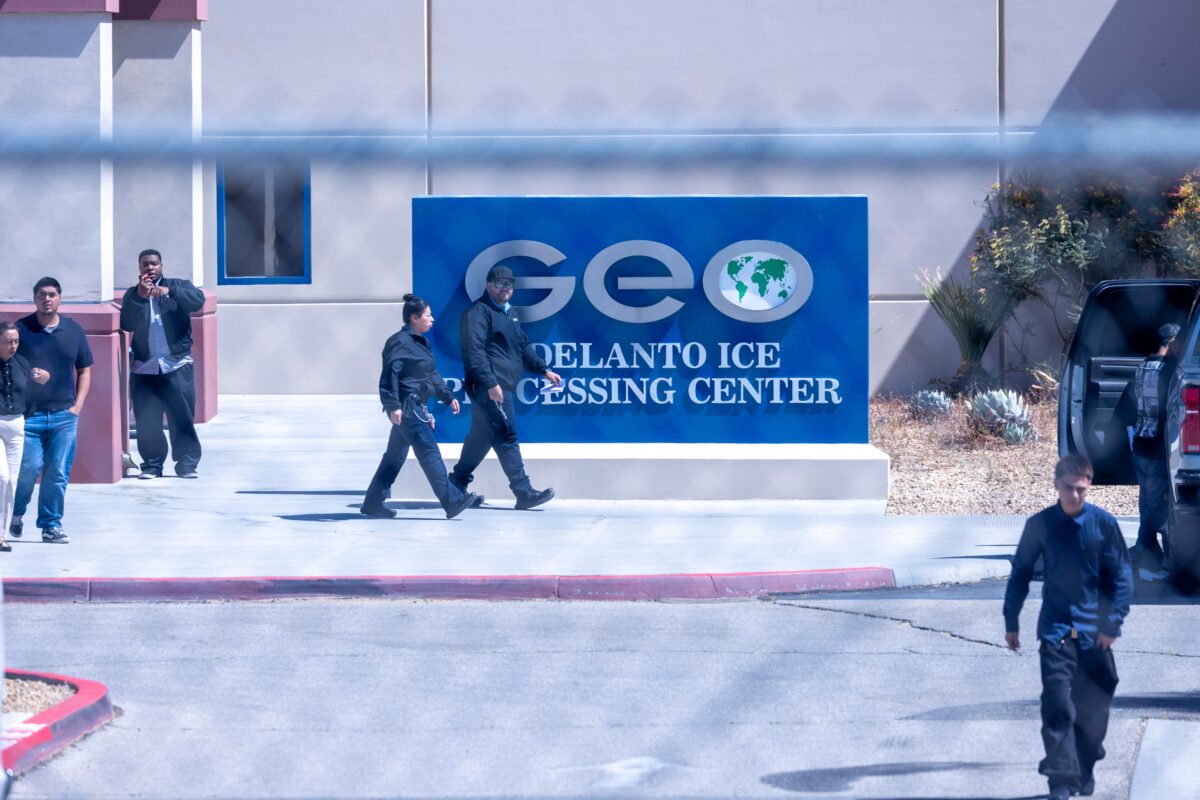
A Long Beach state lawmaker is pushing legislation that would require local agencies to release 911 call records from immigration detention centers. It’s part of a growing effort in Sacramento to address what experts decry as a critical lack of oversight into the privately managed facilities — oversight failures they say have led to sexual assault, inhumane living conditions and death.
The bill, introduced by state Sen. Lena Gonzalez, would make audio and video recordings of emergency calls to local agencies — be it from a detainee, staff member or attorney — accessible to the public through standard record requests. Agencies, including police and sheriff’s departments, would be legally required to hand them over without delay.
The push comes as the eight privately run immigration detention centers in California, with a combined capacity of nearly 10,000 beds, have seen their populations surge. The average daily population rose 72% — from about 3,100 people in April 2025 to 5,300 this April — as federal immigration enforcement expanded under the Trump administration.
Experts say that as populations grow, conditions have worsened.
State Justice Department inspectors have found inadequate medical care, delays in treatment, overcrowded rooms and meager food portions in facilities. They have also documented excessive use of force by guards and allegations of sexual assault that have gone unchecked.
Between September 2025 and March 2026, six people died at two private detention facilities in California, Adelanto ICE Processing Center and Imperial Regional Detention Facility in Calexico.
A CalMatters investigation published in March found that numerous sexual assault reports last year at the Otay Mesa Detention Center in San Diego went without any proper investigation by local authorities.
When reporters sought records — including audio of 911 calls routed to the sheriff’s office — the San Diego County Sheriff’s Department refused, citing a law enforcement exemption in existing public records law.
Gonzalez believes this will close that gap. Under Senate Bill 423, any call for service would have to be disclosed. The bill includes privacy safeguards: identifying information for crime victims would be protected, and agencies could withhold information if its release would interfere with an active investigation.
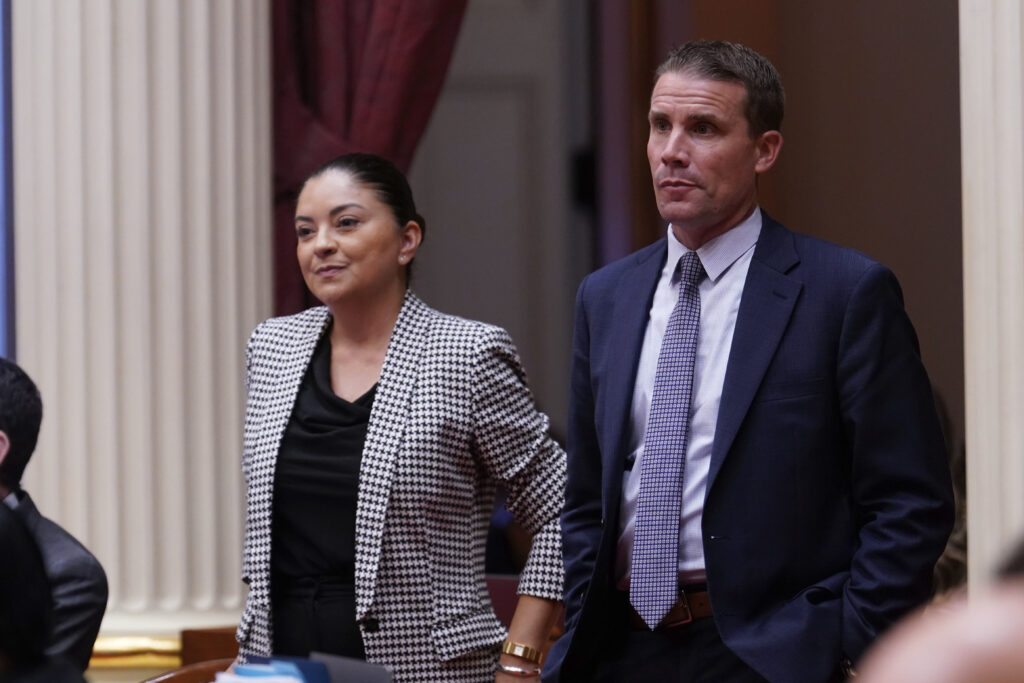
The spirit of the legislation, Gonzalez said, is to address the difficulty of accessing the recordings specifically at federal immigration detention centers, which are run by for-profit companies and don’t follow rules set by California’s Public Records Act. The private contractors can and do refuse to release internal incident reports, emergency call logs or security records.
For those trying to build a case or prove instances of abuse in a facility, a recorded call might be the only glimpse into a facility’s operations or way of verifying horrors described by detainees.
“These are in-the-moment recordings of what is happening at the detention facility,” said Eunice Cho, a former senior staff attorney at the ACLU National Prison Project. “The dispatcher is often asking for critical facts and information about what is happening, and the person on the call is giving their best impression of what exactly is happening at the time of the emergency.”
Sometimes calls are placed by facility staff seeking an ambulance — these facilities often lack the medical capacity to treat detainees — or reporting misconduct by their coworkers, Cho said.
Without passage of bills like this, Cho said, it will only become more difficult to build cases and prove these conditions exist.
Since last January, the federal government has shut down several programs meant to safeguard detainees, such as those informing them of their rights. They have closed oversight offices and eliminated protections for transgender detainees. Immigration and Customs Enforcement has also said it will no longer report the deaths of those recently released from custody, even if their time in detention may have led to it.
Elected officials, once able to make unannounced visits to detention facilities, now must give advanced notice and may be barred from talking with detainees.
Gonzalez, who chairs the state’s Latino caucus, said she and other members requested a visit to the Adelanto ICE facility. They await confirmation.
Momentum for greater state oversight is building in Sacramento, she said, as the issues faced in the detention centers have become “top of mind” for the caucus with multiple bills expected to come to a vote this year, including one for a detainee bill of rights and another that requires additional health inspections inside the facilities.
“We’re all hitting it in different ways, as much as we can,” Gonzalez said.
Editor’s note: This story was updated to show Eunice Cho is a former senior staff attorney at the ACLU National Prison Project.