

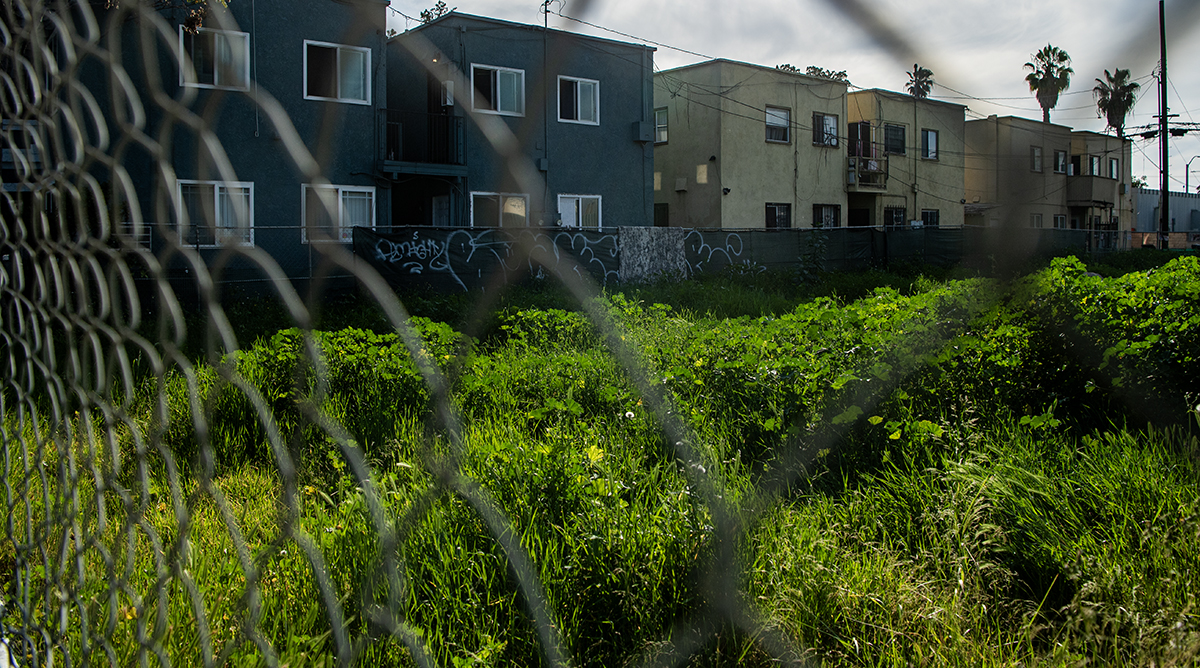
Pressed by mounting concerns about vacant buildings that harbor blight and empty lots abandoned to decay, the Long Beach City Council on Tuesday overhauled its rules for dealing with absentee property owners.
City leaders say the sweeping changes replace an outdated system kneecapped by delays and loopholes. They hope to halve the amount of time it takes to fix problems when those responsible ignore warnings and refuse to abate hazardous conditions.
It’s a recognition, they say, of how to best address a growing trend of absenteeism among a minority of property owners who have, especially since the pandemic, resigned themselves from the process and left their properties to be eyesores.
In the past five years, complaints to code enforcement have steadily increased. In the final quarter of 2025, residents filed more than 1,800 complaints — reports of abandoned vehicles, illegal dumping, trespassing and other indicators of negligence. Compounding the problem, the time it takes to solve the most stubborn issues has skyrocketed, according to Community Development Director Christopher Koontz.
Under previous abatement laws, the city needed to wait about two months between issuing a citation and then following up with an order for the property owner to remediate it. Then, required public hearings, which officials say are rarely attended by the property owner, gum up the process.
Notices are often ignored, as are liens placed against the property. The city can file charges, but it knows most judges are reluctant to pursue them under the crush of more severe cases.
“Courts are very crowded, and the dockets are long,” said Koontz. “When a judge has robbery and more serious crimes on their docket, it’s hard to get the court system to take seriously someone who won’t cut waist-high weeds out of their front yard.”
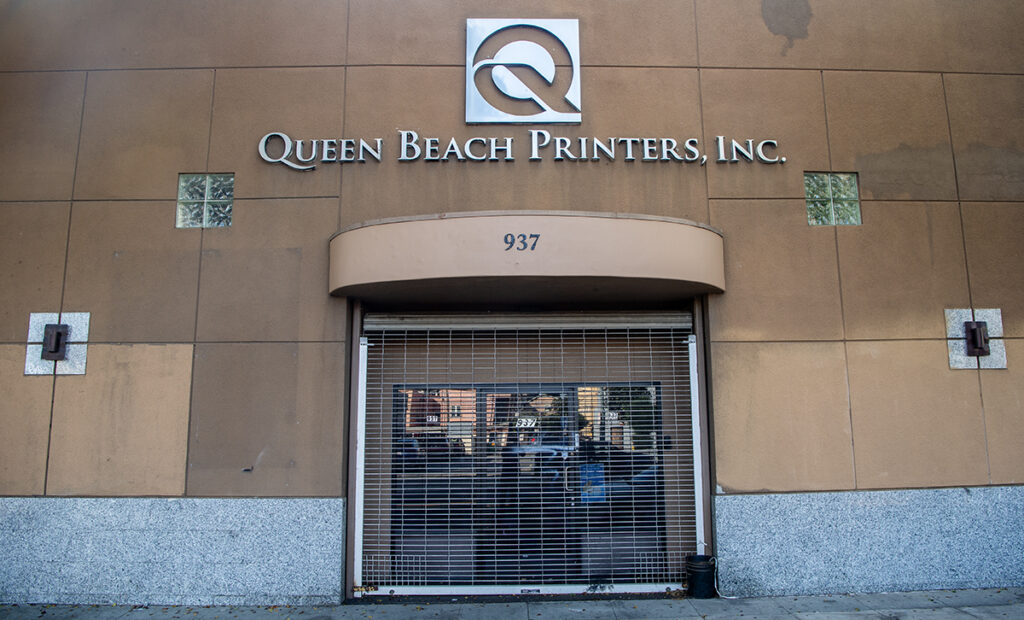
The changes are mostly centered around abandoned properties, which can take at least a year to remediate. The 900 block of Pine Avenue, for example, has three properties — 911 Pine Ave., 917 Pine Ave. and 937 Pine Ave. — that have repeatedly caught fire in recent years and forced a response from firefighters “dozens of times,” according to Koontz.
“The community at large deserves better than for buildings that catch on fire over and over again because there’s no control of the property,” he said.
Changes include removing part of the city’s appeals process, including the review of substandard declarations by an appeals board. Fences around vacant lots must now be at least 6 feet tall — up from 3 — and made of wrought iron or chainlink. A requirement for removal of weeds or debris will be shortened to 15 days (previously 20) and boarded-up buildings must be more tightly secured, with vents, windows doors and any other openings blocked off.
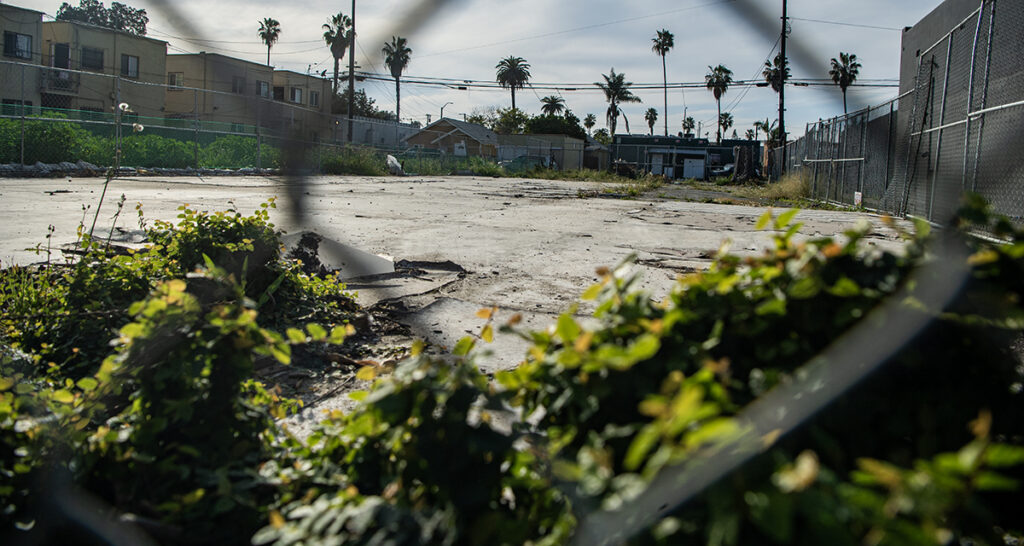
Lot owners are also now required to enroll in the city police’s No Trespassing Program, which allows officers to remove trespassers from the property without needing to contact the owner first.
Officials say they hope the result will be a faster turnaround; what is done in a year can now be done in four months, Koontz said.
There is also an issue with making sure property owners cannot avoid paying liens against the property.
There are a number of cases citywide where people have “racked up thousands and thousands in fines, penalties and just not paid them,” Koontz said, instead selling the property to another owner who likely feigns ignorance of the matter.
A new law will now tack a history of violations onto the lot’s title, putting any buyer on notice. The city can also now hold any controlling entity, not just the owner, liable for violations. This includes property managers, banks and trustees.
Residents in the Willmore City neighborhood, which is 86% renters of mostly multi-family buildings, say they’ve suffered acutely from the presence of dilapidated buildings and lots that attracted dumping, illicit drug use, squatting and crime.
Complaints raised to the city were often unremedied, said Ryan Wolfe, with the neighborhood’s association. Often, he was told by city officials that Long Beach lacked the mechanisms to compel owners to fix their properties.
Wolfe said most issues were caused by a small group of owners. He laid the blame on conglomerates that each control 13 to 14 properties that have been havens for gangs, drug use, vermin infestations and illegal dumping.
“It was clear this was kind of their business model,” Wolfe said. “Get these buildings to make cash flow … wait until property values start to rise through gentrification, and then seek to sell out. But in the meantime, they weren’t investing in those buildings.”
The issue, which improved before the time of Covid-19, has since regressed following the pandemic, he said. He’s hopeful stricter penalties make a difference.
“If the city can hone in on some of these properties and find a variety of ways to hit them with these and also work with other departments to go after them, that can make a huge difference,” he said.