
Preliminary results from the FULCRUM-VT trial point to a safer, more effective way to treat ventricular tachycardia—a dangerous heart rhythm disorder that can lead to sudden cardiac arrest.
MemorialCare Heart & Vascular Institute at Long Beach Medical Center was selected to be one of only 19 sites in the U.S. and Canada—and the only Southern California hospital—participating in Adagio Medical’s FULCRUM-VT trial.
The FULCRUM-VT trial is a clinical study evaluating a new treatment for ventricular tachycardia using ultralow temperature cryoablation. This technique uses extremely cold temperatures to freeze and destroy the small areas of heart tissue that cause dangerous abnormal rhythms. By targeting these problem areas with freezing temperatures, the procedure can help eliminate ventricular tachycardia. This approach is different from traditional heat-based treatments and may offer improved safety and effectiveness for patients with life-threatening heart rhythm disorders. The system being studied has received Breakthrough Device Designation from the FDA, underscoring its potential to transform care for patients with serious heart rhythm conditions.
A healthy heart beats 60 to 100 times per minute at rest. Ventricular tachycardia is a dangerous heart rhythm disorder from the bottom chambers that can cause the heart to beat sometimes more than 200 beats per minute, preventing it from pumping enough blood to the rest of the body. When these episodes last more than 30 seconds, known as sustained ventricular tachycardia, they can lead to sudden cardiac arrest if untreated. Symptoms often include shortness of breath, dizziness, or fainting, and in severe cases, the heart can stop completely.
To address these risks, researchers are exploring innovative solutions, and the early results are promising.The trial enrolled 207 patients across 19 sites in the U.S. and Canada. In preliminary acute-phase findings, the study reported a 97.4% success rate in stopping targeted arrhythmias through ultralow temperature cryoablation. Additionally, 96.7% of patients showed no clinically relevant ventricular tachycardia after testing.
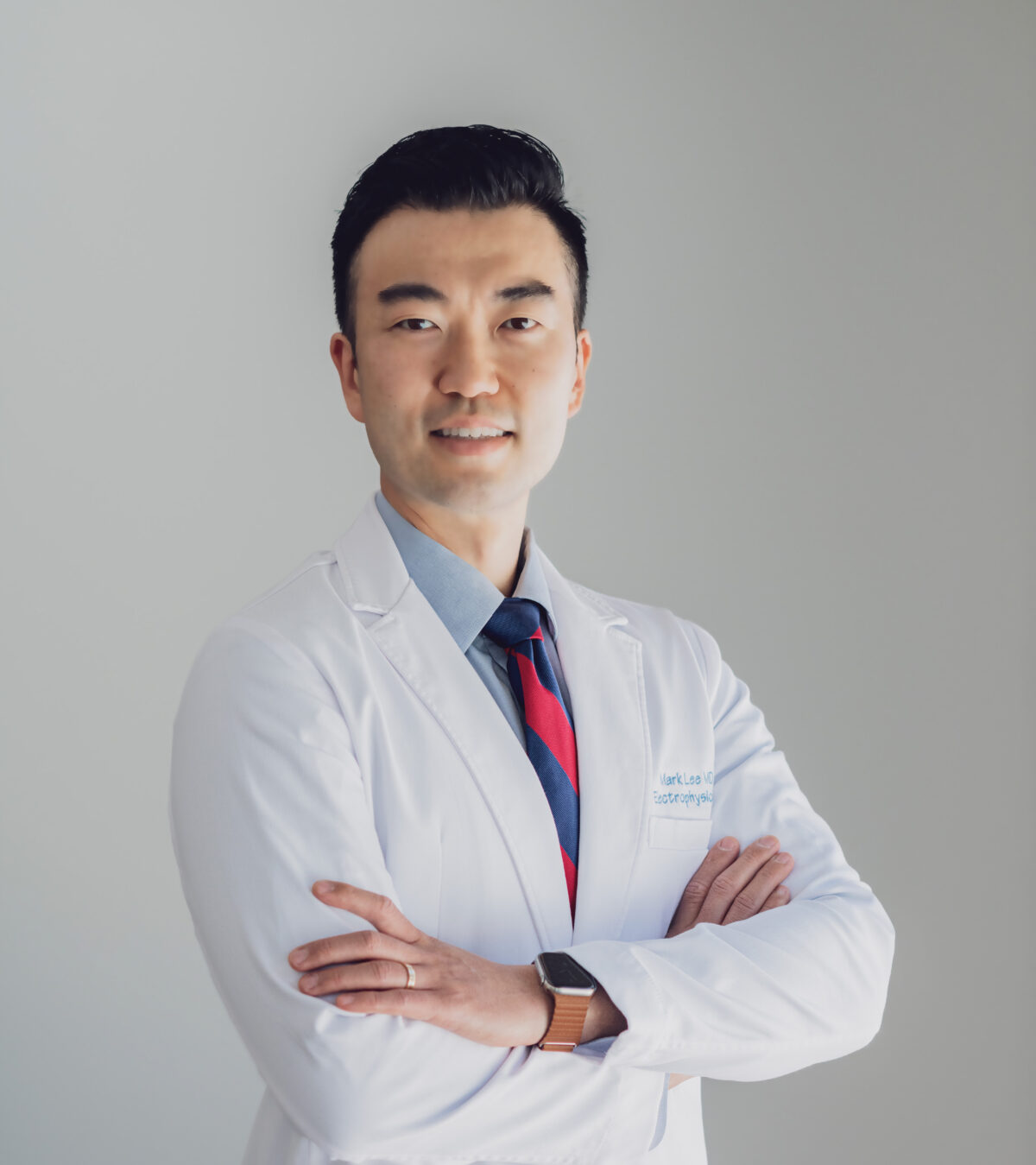
“These outcomes are remarkable,” says Mark Lee, M.D., medical director, Cardiac Rhythm Management,MemorialCare Heart & Vascular Institute and principal investigator for the trial at Long Beach Medical Center. “We demonstrated that ultralow temperature cryoablation can effectively treat sustained ventricular tachycardia, even in patients with nonischemic cardiomyopathy, which has historically been very challenging.”
Treatment for ventricular tachycardia has traditionally relied on medications or implantable defibrillators, which can have side effects or offer incomplete relief. Catheter ablation emerged as a more definitive solution by targeting the source of the arrhythmia, but for decades it depended on heat-based energy that often struggled to penetrate the thick ventricular walls. Ultralow Temperature Cryoablation represents the next advancement by using freezing energy to create deep, adjustable lesions without fluid irrigation, offering a safer and more efficient approach.
“This technology represents a major step forward,” says Dr. Lee. “Ventricular tachycardia ablation has been historically challenging because of the limitations of our existing tools. Ultralow Cryoablation allows us to penetrate the problematic sites with deep lesions, resulting in high success rates. Being the only hospital in Southern California involved in this trial highlights our leadership and commitment to bringing the most advanced heart care to our community.”
For patients facing the most severe complications, such as cardiac arrest caused by ventricular tachycardia, advanced support can make the difference between life and death. MemorialCare Long Beach Medical Center is a designated Extracorporeal Cardiopulmonary Resuscitation (ECPR) Receiving Center—one of only five hospitals in Los Angeles County with this designation. ECPR is a specialized technique that temporarily takes over heart and lung function, providing a crucial lifeline in dire emergencies and improving survival rates for patients in cardiac arrest.
If you or a loved one has been diagnosed with a complex heart rhythm condition, MemorialCare Heart & Vascular Institute at Long Beach Medical Center offers advanced treatment options and lifesaving expertise.
To learn more, visit memorialcare.org/heart or call (657) 241-9052.
