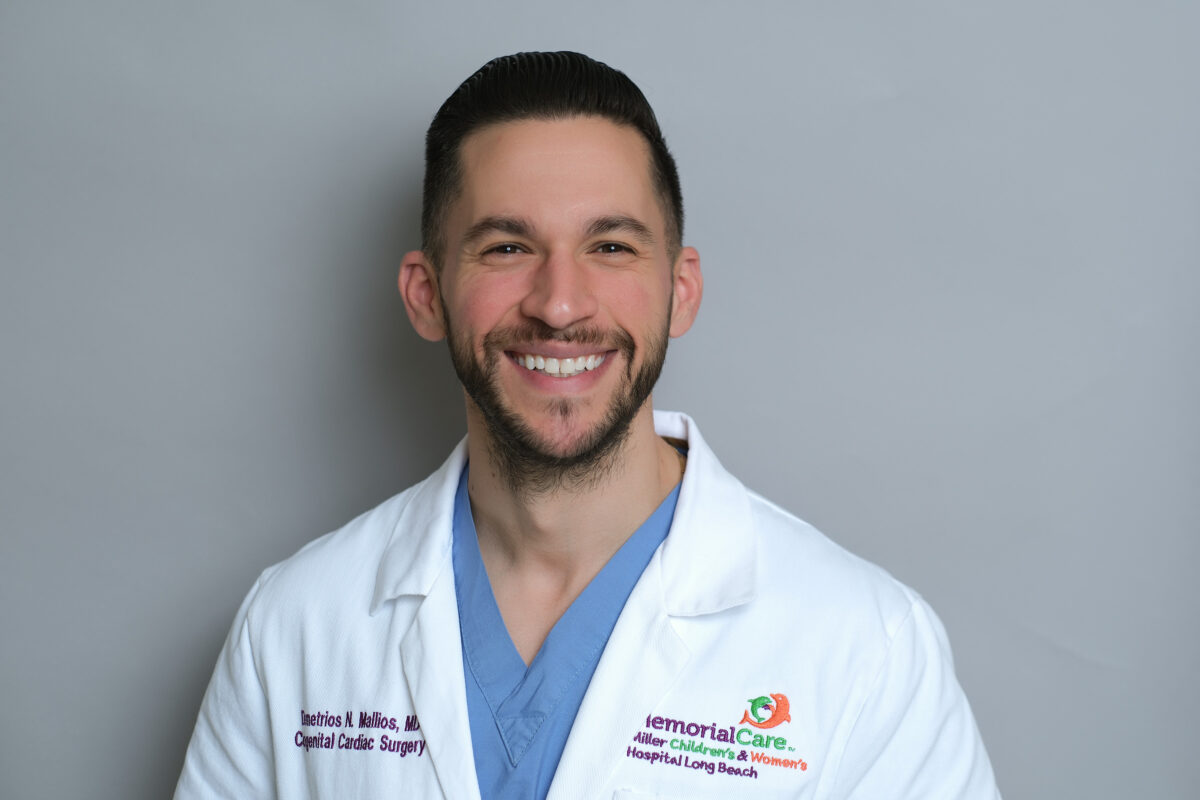
By: Demetrios Mallios, M.D., cardiothoracic surgeon, Children’s Heart Institute, Miller Children’s & Women’s Hospital
It’s easy to think your child is just worn out from a busy day when they seem extra tired or get winded faster than usual. Yet sometimes, these subtle signs can point to an underlying heart condition, especially when they persist or don’t match your child’s typical behavior.
While most serious congenital heart defects are diagnosed before birth or in infancy, some conditions—like anomalous coronary arteries—are being identified more often in older children thanks to advances in imaging.
In older infants and children, heart-related issues can appear in ways parents don’t immediately associate with the heart, such as difficulty feeding, poor weight gain, or frequent viral infections. Fatigue, dizziness, and fainting can also be signals worth a closer look, particularly if they occur during routine play or sports.
Parents know their children best. If something feels off, start with your pediatrician and share specific examples: how long symptoms have lasted, what triggers them, and any changes in growth, appetite, sleep, or activity. Keeping a simple symptom diary can help your pediatrician see patterns and make informed decisions. Common conditions like asthma may be the cause, but if concerns persist, ask about a referral to a pediatric cardiologist or an echocardiogram. These tests are minimally invasive and can reveal most heart defects.
When the picture needs more detail, advanced imaging such as CT scans or MRI can clarify anatomy, including coronary arteries that may take an unusual path through the heart instead of the normal route. These tests help cardiologists see the heart’s structure in detail when an echocardiogram isn’t enough. Early detection can prevent complications and improve outcomes.
This is where specialized pediatric care at a unique, free-standing children’s hospital makes a difference.At the Children’s Heart Institute at Miller Children’s & Women’s Hospital, families have access to one of the region’s only centers offering seamless cardiac care from fetal life through adulthood. Our California Children’s Services (CCS)–designated program brings together highrisk pregnancy specialists and pediatric cardiologists to diagnose and manage fetal heart disease before a baby is even born.
The Children’s Heart Institute offers technologies not commonly available at most hospitals, including biplane imaging in our cardiac catheterization lab. This advanced imaging produces highly detailed views of the heart and blood vessels, which is especially crucial for treating children’s smaller anatomy.
Our Pediatric & Adult Congenital Cardiac Surgery Program is one of only a few in Southern California capable of providing comprehensive congenital cardiac surgical care across all ages, from the tiniest newborns to adults with congenital heart disease. Our team also performs highly specialized procedures unique to the region, such as minimally invasive patent ductus arteriosus (PDA) closure using the Piccolo device for micro preemies, an approach that reduces risk and speeds recovery for vulnerable infants.
Heart care is never just about the heart; it’s about supporting the whole child and their family. At the Children’s Heart Institute, our multidisciplinary team brings together experts in pediatric and adult congenital cardiology, cardiothoracic surgery, cardiac intensive care, specialized pediatric nursing, social work, and child life. Working closely together, we provide coordinated, compassionate care at every stage, guiding families from diagnosis through treatment, recovery, and longterm followup.
Additionally, the Children’s Heart Institute provides convenient cardiac care at multiple Miller Children’s & Women’s outpatient centers. Families can access essential followup care at the Torrance Outpatient Specialty Center in the South Bay, as well as two Orange County locations — the Fountain Valley Specialty Center and MemorialCare Medical Group – Irvine Pediatrics. These outpatient sites allow children to receive expert cardiac evaluations and ongoing management close to home, without ever needing to visit the hospital.
The good news is that most children with heart conditions can look forward to active, fulfilling lives. Early recognition, appropriate testing, and specialized care make all the difference. If something doesn’t feel right, don’t wait — get it checked out. Your instincts matter, and taking action can lead to better outcomes for your child.
To learn more about the Children’s Heart Institute, visit millerchildrens.org/heart.