

Learn more about what El Niño means for Long Beach and how you can be prepared at LBPost.com/elnino. Support useful, community-centered reporting like this with a donation.
Expect silent nights in Naples’ channels this holiday season.
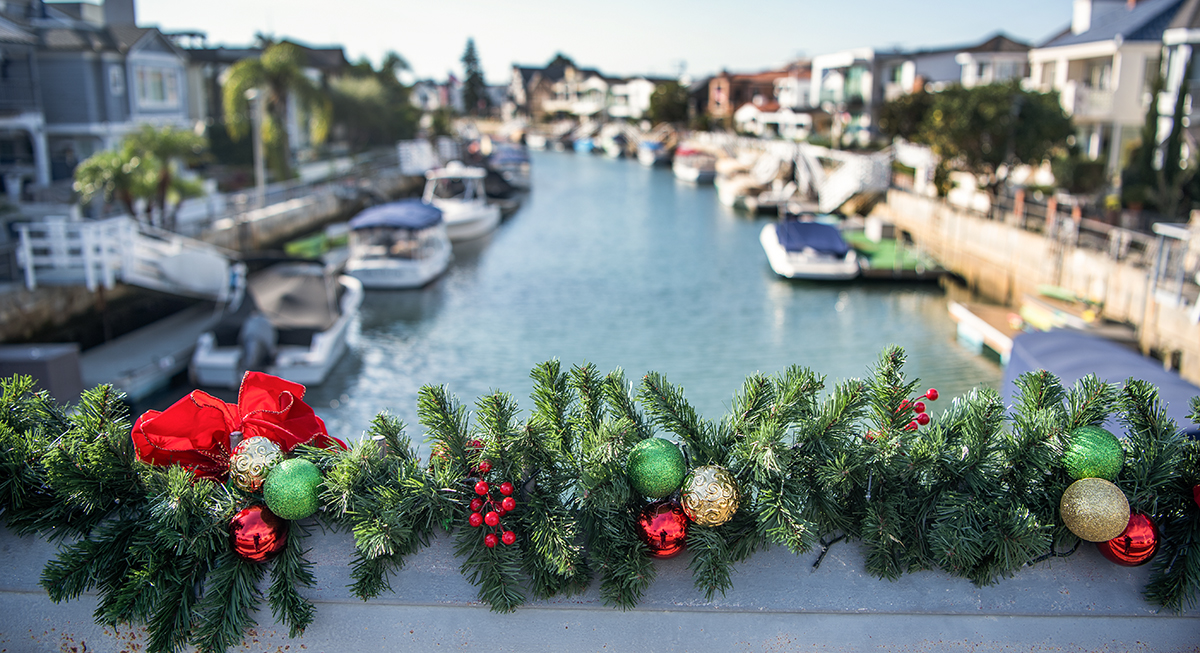
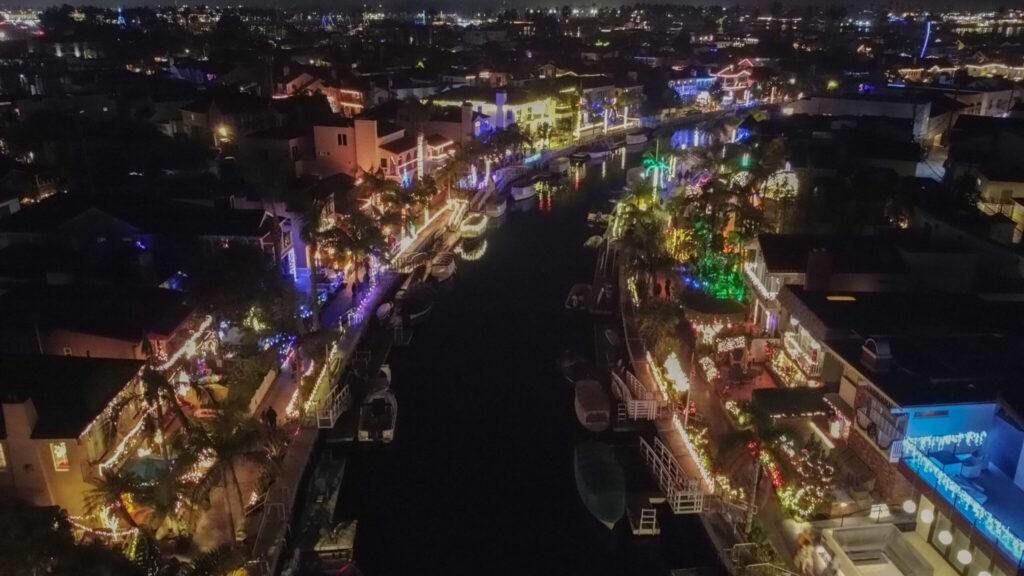
The Naples Improvement Association announced this year’s Naples Island Holiday Boat Parade, a Long Beach tradition since 1946, has been canceled over expected high tides and heavy surf that organizers said would make the event unsafe for visitors and participants.
It’s the first time in six years — since the onset of the COVID pandemic — that the parade has been canceled. What began as a small procession of decorated barges filled with singing church choirs has grown into local tradition with more than 100 entries, from Duffys to dragon boats, and 60,000 spectators.
Ben Fisher, the association president, said the decision came after weeks of deliberations and a 600-respondent survey that found most wanted the parade — and all holiday events in Naples — to be canceled this year.
It’s in response to tides expected to reach 7.5 to 8.5 feet during the week of Christmas — 6 to 18 inches above typical levels due to a powerful El Niño season. This is paired with a series of slow, very wide swells of warm water known as Kelvin waves expected to frequent Long Beach’s south-facing coast this winter.
Devin Black, a forecaster with the NWS, said the current tide predictions are “the floor,” adding that “there’s a decent chance reality could be worse than that.”
Residents have also called off the neighborhood decorating contest to deter the crowds that usually stroll through to see the island’s decked-out homes.
High tides are a perennial issue on the island, Fisher said, but calls to cancel the parade compounded earlier this month when an El Ninño-charged tide threatened to flood homes. Fisher said there was “total chaos” as residents rushed to protect their homes.
“People were literally running back and forth hand saws and sump pumps and sandbags,” Fisher said. “It was just like a total disaster on the waterways.”
With even higher tides looming during Thanksgiving and Christmas, it reached a point where 75 to 100 people were texting Fisher each day asking him to cancel the parade, he said.
The money normally spent on it will instead go toward pumps, hoses, plugs and generators — “resources our waterways and neighbors desperately need,” Fisher said.
He said this is a one-year pause and he hopes the parade will resume next year.
Some revelers have already voiced their disappointment, according to Fisher, who said he didn’t enjoy being the one to make the call.
“But the neighborhood spoke, and I have to be the face of it, and I’ll take that heat if I have to,” he said.
Residents who want to decorate their homes still can, he added.
Fisher, in his first year as association president, has spent much of his tenure sounding alarms about the island’s infrastructure, saying it’s crumbling and in need of serious repairs.
Part of the decision to cancel was tied to ongoing frustrations with the city, county and state, which together, Fisher said, have failed to replace the island’s seawall and deal with an underperforming county drainage system.
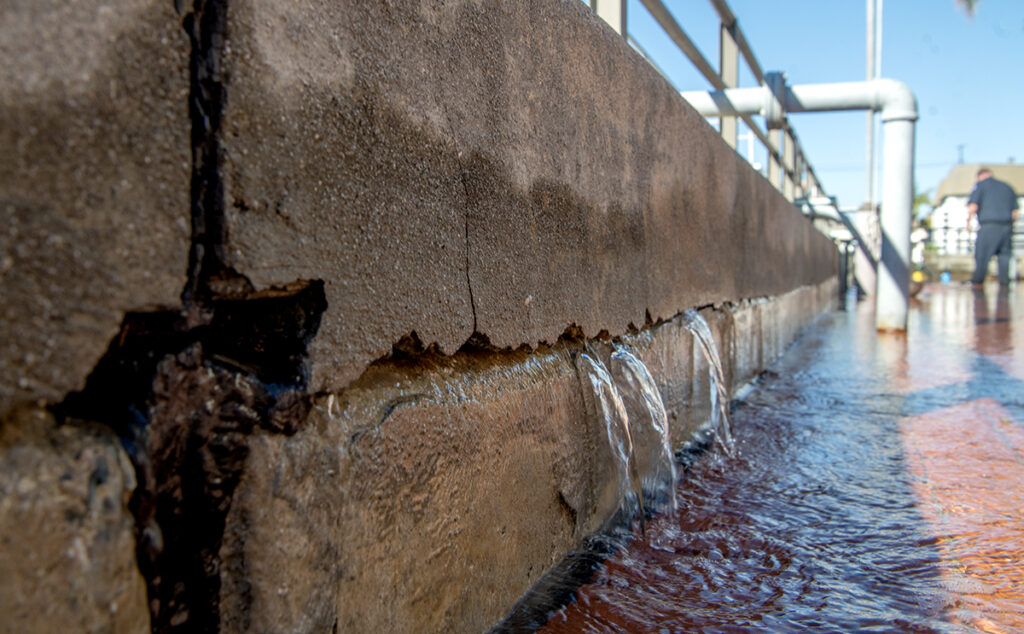
For decades, Naples has relied on a seawall to shield its multi-million-dollar homes and fortify the man-made canal that loops around the island. But this seawall has been in disrepair for decades, at least since the city surveyed it in 2009.
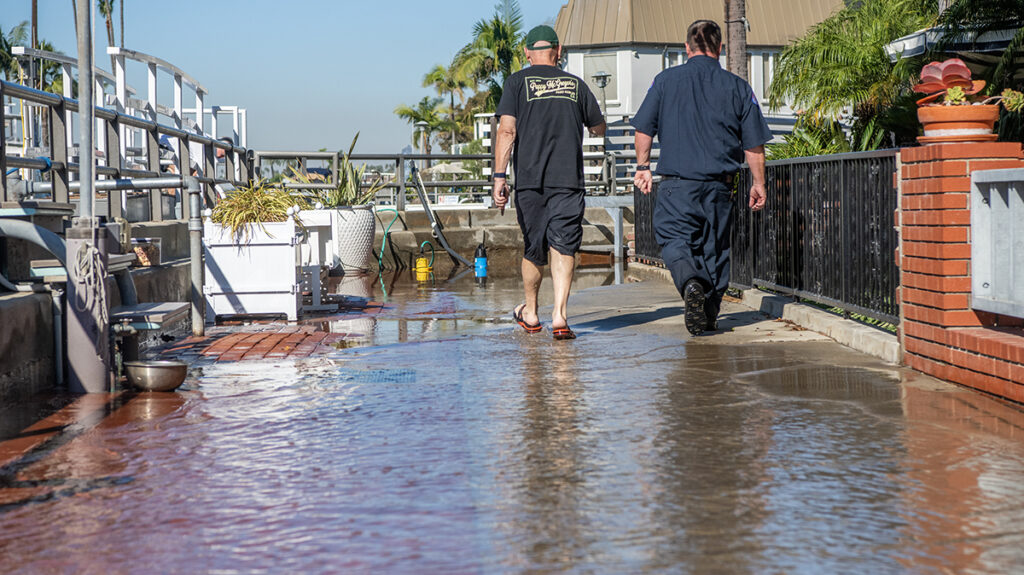
When high tides arrive, water spills past the seawalls in some spots, flooding sidewalks and inching closer toward homes.
A six-phase repair plan is underway, but only two phases are complete, as city officials say they need $125 million to finish. To the chagrin of residents and some elected leaders, the city’s main funding source for the repairs, oil revenue, has slowed greatly — with the state still getting the lion’s share of profits despite a local push to renegotiate the split.
In the meantime, the city sends trucks towing generators to pump out excess water four to five times a month, Fisher said: “All public resources being spent to band-aid a problem that should have been mitigated by the state and the county a long time ago.”
As water keeps leaking in, it’s reached a point, he said, where waterside homeowners are rigging their docks and walkways to block incoming water but without any clearance or supervision.
“There’s people slicing up their docks,” Fisher said. “There’s metal rods exposed. There’s parts of the seawall that people are dismantling, patching themselves. Some of the parts have rusty rebar sticking out that can literally slice a kid’s leg open if they’re sitting on the edge.”
City spokesperson Stacia Momburg said in a statement Sunday that the city has set aside $46.6 million since 2011 for the seawall, including $7.6 million earmarked across the last four years to pay for the next phase of the work.
Officials have floated the idea of paying for repairs with a 30-year bond spread across the whole Naples neighborhood. It would cost $5,100 per property annually or $48,000 per property if limited to homes along the seawalls. No decision has been made yet.
In a statement Saturday, City Councilmember Kristina Duggan, whose district includes Naples, said she respected the decision to cancel and added that the focus this winter should be on preparing the island for the upcoming weather. While the seawalls are stable under high tidal pressure, she said, maintenance work will “start next week to seal cold joints and help reduce water seepage.”
Momberg, meanwhile, said the city is busy preparing for King Tides expected in Naples and other low-lying areas during the week of Thanksgiving. Preparations include renting additional water pumps, installing seawall plugs and finishing up forms residents can fill out if they want any cracks sealed along their property.
They’ve also injected sealant along up to 1,500 feet of seawall, but Momberg said, “These repairs are temporary, and there is no guarantee they will stop water intrusion.”
This story was updated with new information from Fisher and the city of Long Beach.