
When Devon’te Jameson began his career as a classroom aide at a middle school in Long Beach Unified, he noticed that his Black students had few teachers who looked like them.
Jameson, who is Black, wanted to help change that. “I’m not okay with the status quo,” he said, especially because he knew the power of teachers who believed in and motivated him.
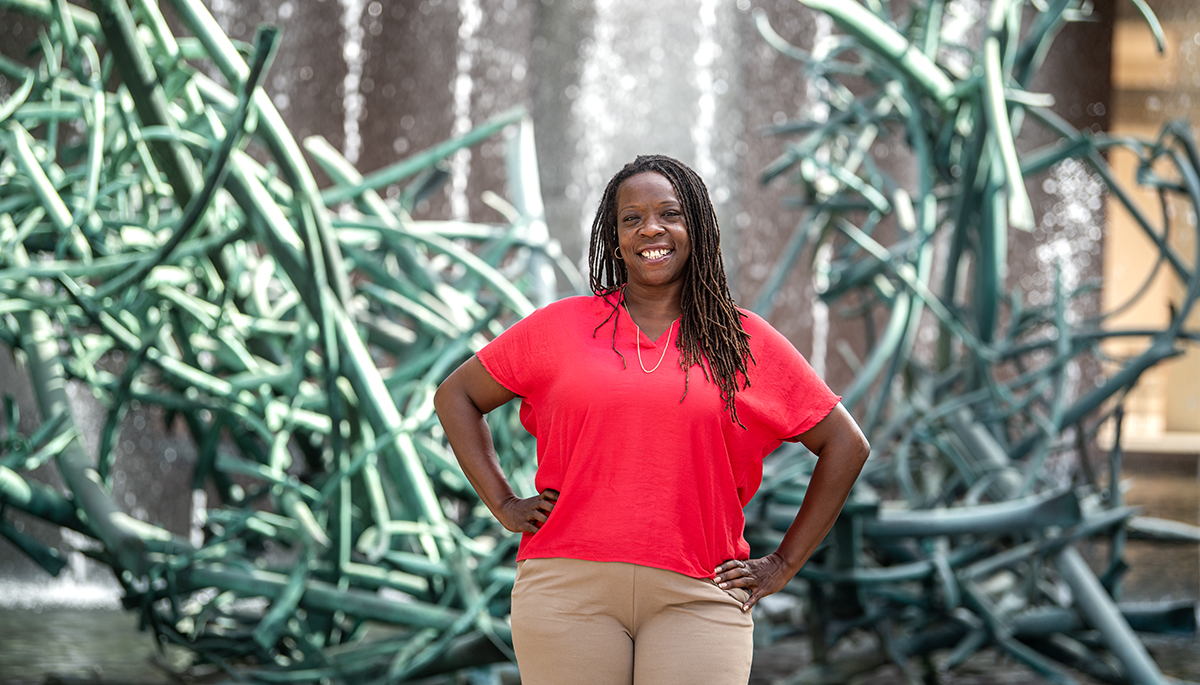
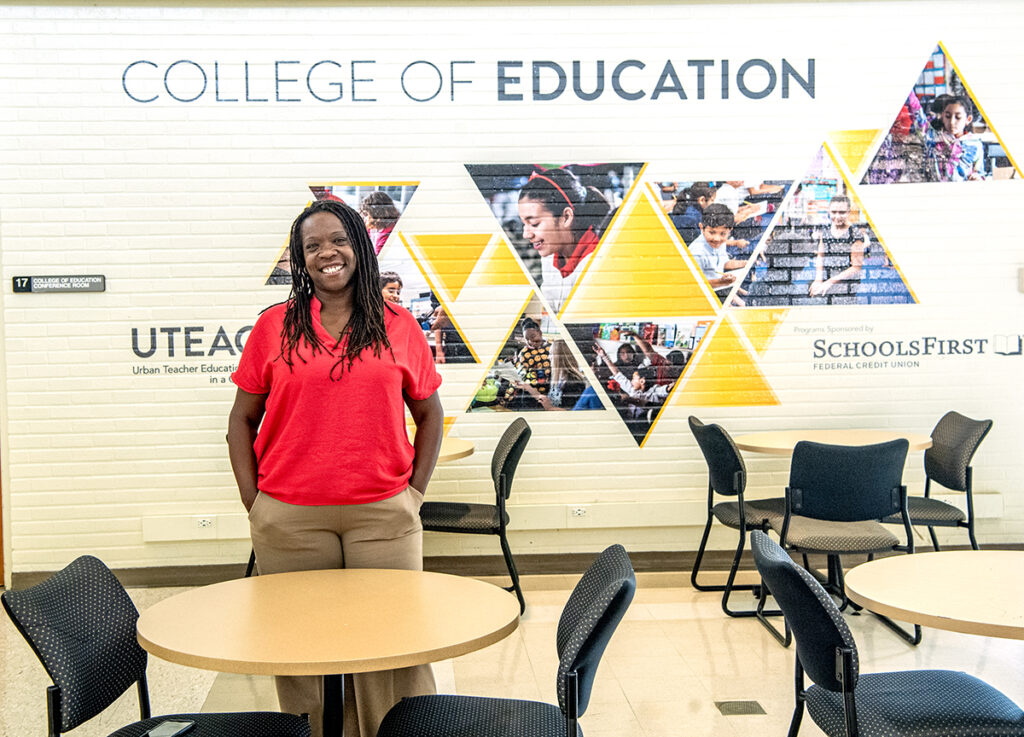
He earned his teaching credential and is now part of the Future Black Educators network, a local program dedicated to training Black educators and supporting Black students. It’s led by one of Jameson’s mentors, Cal State Long Beach professor of education Jolan Smith, who said the program aims to create a sustainable pipeline of Black teachers — addressing a national shortage that is also felt here. In Long Beach Unified, only 7% of teachers are Black, while 14% of students are, according to data from CSULB.
Though Smith began her career as a teacher, she later left the classroom “because I wanted to train teachers to be stronger.” She has helped more than 30 young Black educators earn their teaching credentials through the Mary Jane Patterson scholarship, which began in 2019 at CSULB. And she offers the training grounds to help them continue developing as educators, especially because only 2% of credential candidates at CSULB are Black, she said.
One piece of that work began in 2022 at Jefferson Middle School, where Smith helped build an afterschool program for both Black students and aspiring Black teachers. There, teachers in training developed lesson plans on Afrocentric history that students might not learn in their classrooms. Above all, it was a place for students to be themselves and interact with educators “in a space of joy,” Smith said.
In the program, Destiny Washington taught lessons on the history of Black men’s hair and created a gallery walk of Kendrick Lamar lyrics. “They see themselves in the lessons they’re learning,” she said.
The space also allowed students to see themselves reflected in their teachers, which some research suggests can change students’ academic trajectories. Some data show that when Black students have Black teachers, they are significantly more likely to graduate high school and enroll in college.
The after-school program also launched at Jordan High School, and in it, Wayne Broadway tutored and taught high schoolers.
When Broadway was a kid, he had few trusted adults in his life, he said. But the teachers who did believe in him, he remembers to this day. “It motivated me personally,” he said, adding that he tries to offer that to his students: giving them a place where “they feel safe and they feel seen,” he said.
Another prong of Smith’s program is to give Black educators a space to connect and learn from each other, what she calls a “community of practice.” Once a month, Smith also holds a monthly meeting open to the community to “talk about everything related to being Black in education.”
For Jameson, it’s been validating of the isolation he has felt as one of few Black teachers and a place to discuss the challenges his students face. Through the community of practice, he has defined more clearly his role as a Black educator: “to support students to reach their fullest potential,” he said, but also to “name the systems at play” to avoid perpetuating systems of oppression that hurt Black students, he added.
Though the afterschool program has wound down at Jordan High School, Smith plans to continue the work throughout LBUSD. “It’s a need in the district,” she said.
Already, she and her team of Black teachers in training have reached dozens of LBUSD students each year, she said. Their reach is due in part to their approach. Rather than focusing on academics alone, Smith emphasizes engaging activities about Black culture “so that students have a sense of belonging, purpose, identity and pride,” she said.